Building a Reading Habit sounds simple until real life shows up with noise, deadlines, errands, and a phone that never stops asking for attention. I have tried the dramatic version of reading, the version where I imagined myself becoming the kind of person who finishes a book every week. That usually lasted until the first busy stretch.
What actually helped me was smaller, quieter, and a lot less impressive. I stopped asking reading to prove something. I started treating it like a daily room in my life, not a performance. On LifeInsy, I keep coming back to that idea because it changes the whole mood of the habit. Reading becomes less like a test and more like a place to return to.
This article is for the ordinary version of a reader. The person who works, cooks, answers messages, and still wants books to matter. I am not interested in the fantasy of perfect concentration. I am interested in a habit that survives tired evenings, awkward schedules, and the occasional week when your brain feels full before dinner.
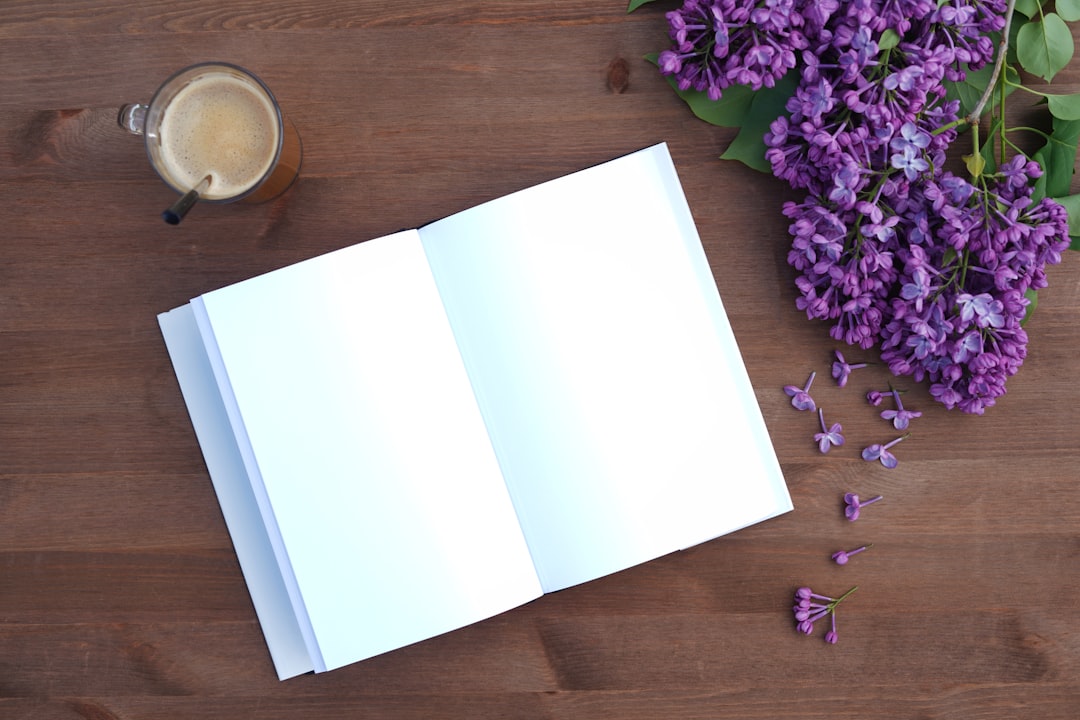
If that is the kind of reading life you want, the answer is not more pressure. It is a better arrangement. Once the arrangement is right, the habit starts to feel natural instead of fragile.
Why Building a Reading Habit Feels Harder Than It Should
A lot of people think the problem is discipline. I do not think that is usually the real issue. The real issue is friction. Reading asks for a few things at once. It asks for a book, a place, a little quiet, and enough mental space to stay with a page long enough to care. When those things are hard to gather, the habit starts to look bigger than it is.
The modern day is also set up against slow attention. Most of our small gaps are already filled. We open our phone while waiting for a kettle. We scroll while standing in line. We switch tasks before the mind has time to settle. Reading cannot compete with that kind of speed unless we give it a better shape.
I think that is why so many reading plans collapse. They are built like promises to a future self who has more time, more energy, and more patience than the current one. The current self is the one who actually has to sit down and begin. If the first step feels heavy, the habit becomes a moral problem instead of a practical one.
So I stopped asking, “How can I become a better reader?” and started asking, “What makes reading easy enough to repeat?” That shift matters. It moves the task from identity to design. You do not need to become someone else. You need a system that lets the reader in you show up often enough to matter.
Think about the difference between a habit and a mood. A mood depends on inspiration. A habit depends on conditions. If you wait for a feeling, you will only read on the days when life is already kind. If you build conditions, reading can happen on a Tuesday night after a long day just as well as on a sunny Sunday morning.
Start With the Kind of Reader You Are, Not the Kind You Admire
I used to copy the reading habits of people I respected. They had tall stacks of books, color-coded notes, and the confidence to recommend titles I had never heard of. I assumed that if I wanted to read well, I should read like them. That was a mistake.
Your real habit has to fit your real mind. Some people read best in long stretches. Some read in scraps. Some keep notes on every chapter. Some read in silence and remember almost everything without writing a word. Some people like fiction at night and nonfiction in the morning. None of that is a moral hierarchy. It is just fit.
A useful question is not “What should a serious reader do?” It is “When do I actually pay attention?” If your best attention arrives in the first half hour after breakfast, build there. If your quietest moment comes after dinner, build there. If you can only manage ten pages before bed, that still counts if ten pages happen often.
I also think it helps to notice what kind of books keep you moving. Some readers love short essays because they reward interruption. Others prefer a long narrative because it gives the mind a thread to follow. Some people want clear structure. Others want atmosphere. If a book feels like homework, do not force it into the role of a companion.
Try this simple comparison:
- High-energy reader: likes momentum, short bursts, and visible progress
- Reflective reader: likes pauses, margins, and slower digestion
- Story reader: needs narrative pull and emotional movement
- Idea reader: wants concepts, arguments, and practical takeaways
You can be more than one of these, but one of them is probably dominant. Once you know that, book choice gets easier. The habit stops fighting your temperament.
Make the First Ten Minutes Absurdly Easy
Most reading plans ask too much at the start. They expect the beginning to look like the finish. That is backwards. The beginning should feel almost silly in its simplicity. The goal is not to impress yourself. The goal is to remove the excuse layer that sits between you and the page.
I like to think in terms of thresholds. There is a threshold for finding the book. A threshold for opening it. A threshold for deciding whether this is the right time. A threshold for getting comfortable. If any of those thresholds are awkward, the reading session starts to leak energy before the first paragraph.
So I keep the opening sequence plain. Book in the same place. Bookmark already there. Glass of water nearby. Phone away from the hand, not just turned face down. Chair or couch chosen before I begin. If I need a notebook, it sits open. The less I negotiate with myself, the more likely I am to start.
This is also where time goals can help or hurt. If you tell yourself you need to read for an hour, you may never start. If you tell yourself you only need ten minutes, the page feels reachable. Once you are in, you often stay longer anyway. The trick is to make the minimum so low that your brain stops resisting.
Here is a practical starter routine:
- Choose one book the night before
- Place it where you will see it in the morning or evening
- Set a short timer for ten to fifteen minutes
- Read until the timer ends, then decide whether to continue
- Leave a note on the last page if you want the next session to feel easy
That last step matters more than people think. A tiny note like “chapter about the train station” or “ask why this argument matters” makes restarting simpler. You are not just stopping. You are leaving a trail for the next version of you.
Design Your Reading Environment Like a Path, Not a Test
Some reading spaces feel like homework desks. Others feel like invitations. I think that difference matters more than people admit. You do not need a perfect reading corner, but you do need a place that signals, “This is where attention gets to settle.”
There is a difference between an environment that supports reading and one that asks you to perform reading. A supportive space lowers effort. A performative space adds friction because it reminds you of standards. One makes the habit lighter. The other makes it feel judged.
For me, the best reading spaces are usually ordinary. A chair near a window. A corner of the sofa. The kitchen table after dishes are cleared. A café in the quiet part of the day. What matters is not the aesthetic. What matters is whether the place helps me remain with the page without constantly renegotiating comfort.
Environment also includes timing. Some books work better in daylight because the mind is fresh enough to track ideas. Some work better at night because narrative carries you. Some should not be read in bed if bed means sleep. I had to learn that reading and drowsiness can become enemies when the book itself is dense. The chair matters more than the bed in those cases.
When I want a path instead of a test, I prepare the scene before the session begins. I do not wait to get motivated by the book. I make it easy to arrive. That can mean leaving a lamp on, setting a specific playlist with no lyrics, or clearing the surface where the book sits. Small things matter because they reduce the number of decisions between intention and action.

Try this environment check:
- Can I see the book without searching for it?
- Is my phone far enough away to stay out of reach?
- Does the seat invite me to stay for a while?
- Will I need to rearrange anything before I begin?
- Does this place fit the kind of reading I am trying to do?
If the answer to the last question is no, change the place, not the dream.
Choose Books That Respect Your Attention
Book choice has a bigger effect on habit than most reading advice admits. People talk about motivation, but a badly chosen book can drain motivation faster than almost anything else. I have started books that were respected, well-reviewed, and utterly wrong for the season I was in. The problem was not quality. The problem was timing and fit.
A good habit needs a good shelf, not a heroic shelf. I mean books that make sense for the attention you actually have. If your days are crowded, choose books with a clear path through them. If you want reflection, choose books that reward pausing. If you are rebuilding a habit, do not begin with the most demanding thing on your shelf.
I like to sort books into three practical groups:
- Easy-entry books: short essays, essays with strong voice, familiar topics, page-turning narratives
- Moderate books: books that require focus but still move clearly from one idea to the next
- Heavy books: dense theory, highly technical writing, or books that need slow rereading
There is nothing wrong with heavy books. I still keep them around. But I do not ask them to carry the job of habit-building. That job belongs to books that can meet me where I am.
One practical rule helped me a lot. I never let guilt choose my next book. Guilt says I should read what looks impressive. A better question is, “What book will help me want to come back tomorrow?” That question keeps the habit alive. Impressiveness is a poor substitute for repeatability.
If you want a simple selector, ask these questions before starting a book:
- Can I follow the first chapter without constant rereading?
- Does the book give me a reason to continue after ten pages?
- Will this book fit my available attention this week?
- Am I choosing it because I want to read it, or because I think I should?
The last question is often the most revealing. “Should” can be useful, but it is a weak engine. Curiosity is stronger.
Read With a Simple Note-Taking Method
I used to overcomplicate notes. I copied passages, summarized paragraphs, and tried to make every session feel academically useful. The result was that note-taking started competing with reading. I was no longer in conversation with the book. I was trying to archive it.
Now I keep the system smaller. I want notes that help me return, not notes that exhaust me. The point is to make the reading session leave a trace without turning into a project.
A simple method works best for me. I use three kinds of notes:
- Question notes: things I want to think about later
- Line notes: short quotes worth keeping
- Connection notes: links to something I have already read or lived
Question notes are the most valuable for reflection. If a chapter makes me pause, I write the question that came up instead of trying to answer it immediately. For example, “Why does the author keep returning to solitude?” or “What part of my own routine makes this idea difficult?” Those questions have a way of continuing the reading after the page is closed.
Connection notes matter because they turn reading into relationship. A book becomes stronger when it meets something else in your mind. Maybe the idea reminds you of a conversation, another book, or a habit you already have. That connection is often where understanding deepens.
If you want a method that does not eat the session, try this:
- Read one section
- Pause for one minute
- Write one sentence about what stayed with you
- Write one question or one connection
- Move on
This is enough. You do not need full-page summaries unless that genuinely helps you. Most of the time, small notes are more sustainable because they leave more energy for the actual reading.
There is also a visual way to track what you keep returning to. If the same theme shows up in your notes three times, it is probably saying something about you, not just the book. That is where reading starts to become reflective instead of decorative.
Turn Reflection Into the Part That Makes Reading Stick
For me, reflection is what turns reading from intake into change. Without reflection, books can pile up as content. With reflection, they start to become part of your thinking. That shift is subtle, but it matters. You are no longer collecting pages. You are letting ideas rearrange your attention.
I do not mean formal analysis. I mean a short pause after reading that asks, “What just happened in my mind?” That question can be answered in a sentence or two. It does not need a perfect essay. It only needs honesty.
A useful reflection routine looks like this:
- What line or idea stayed with me?
- What did this book challenge in my thinking?
- Where does this connect to my current life?
- What would I tell a friend about this chapter?
The last question is especially useful. If you can explain a book to someone else in plain language, you have probably understood it more deeply than if you just underlined half of it. Reflection often reveals whether you actually absorbed something or just liked the sound of it.
I also think reflection helps with memory. Not the memory of exact wording, but the memory of direction. You remember why a book mattered, not just what it said. That kind of memory is what makes a reading habit feel cumulative instead of scattered.
If you want to keep the reflective part light, use a three-line journal after each session:
- One idea I want to keep
- One question I still have
- One next step, if any
That is enough to create continuity. Over time, your notes begin to show patterns. Maybe you keep circling around work, solitude, ambition, friendship, or time. That pattern is often more interesting than any single highlight. It shows you what your reading life is actually teaching you.
And if you want to connect reading to broader personal thinking, I find it helpful to revisit notes on a weekly rhythm. A quick review on Sunday or Monday can turn scattered insights into a real thread. Reflection is where the habit starts to feel like a conversation with yourself.
Use a Weekly Rhythm Instead of a Perfect Daily Score
One of the most helpful changes I made was to stop judging the habit by one day at a time. Daily streaks can be motivating, but they can also make reading feel brittle. A single missed day starts to feel like failure. A weekly rhythm is kinder and, for many people, more realistic.
I think in weeks because real life moves in waves. Some days are open. Some are crushed by logistics. Some feel mentally spacious. Some feel crowded from the first hour. If I only measure the habit by the busiest day, I end up punishing myself for having a life.
A weekly rhythm gives you room to plan for different kinds of reading. Maybe one session is short and practical. Another is longer and more reflective. Maybe one day is for fiction and one for nonfiction. Maybe your weekend session is where the heavier book lives. The point is variety inside continuity.
Here is a sample week:
- Monday: 15 minutes after breakfast, light reading
- Wednesday: 25 minutes in the evening, moderate reading
- Friday: 15 minutes, plus one note about what stayed with you
- Sunday: longer session, review notes, choose the next book or chapter
You do not have to follow this exact shape. The useful part is the rhythm. It gives reading a place in the week without making it fight every other commitment.
A weekly view also helps when you miss a session. If Tuesday disappears, Wednesday can still carry the habit. The system is less likely to collapse because it is not built on a single fragile point.
I like to review three questions at the end of the week:
- Did I read often enough to stay connected to the habit?
- Which session felt easiest to repeat?
- What made reading harder than it needed to be?
Those answers are more useful than a vague sense of success or failure. They help you adjust the rhythm instead of abandoning it.
When You Fall Off, Restart Without Drama
Every reading habit breaks at some point. That is normal. The danger is not the break itself. The danger is the story you build around the break. Once the story becomes “I have failed,” restarting feels awkward. Once restarting feels awkward, the habit disappears for longer than it needed to.
I have found it much better to treat a gap as a gap, not a verdict. You missed three days. Fine. You were busy. You were tired. You were distracted. None of that means the habit is dead. It only means the habit needs to be reopened.
Restarting works best when you lower the bar again. Do not come back with the grand plan you had before the break. Come back with the smallest possible session. Ten pages. One chapter. One essay. One short note. The goal is to reenter, not to make up for lost time.
There is also a practical restart sequence I like:
- Pick up the same book if it still feels inviting
- If not, choose an easier one
- Read for a short, pre-decided window
- Leave one note about where to return next time
- Stop before you are drained
That last point matters. A restart should end with a little energy left. If you leave the session feeling behind, you have already made tomorrow harder. If you leave with momentum, the next return feels natural.
It also helps to remove the moral language. You are not “back on track” in some grand sense. You are simply reading again. That is enough. The habit does not need a dramatic comeback. It needs a practical next step.
Some of the strongest habits I have seen in myself and others are not the ones that never break. They are the ones that restart quickly. That speed matters more than perfection.
How to Keep the Habit for Months, Not Days
Long-term habits usually survive because they stay flexible. They do not ask for the same shape forever. They adjust with seasons, energy, and life changes. A reading habit that works in a quiet month may not work in a packed one unless you allow it to shrink or expand.
Maintenance, for me, comes down to a few repeating checks. Is the book still fitting my attention? Is the routine still easy to begin? Am I reading in a way that gives me something back, not just another finished title? Those checks keep the habit honest.
I also think it helps to keep a small rotation of roles for reading. Sometimes reading is for learning. Sometimes it is for rest. Sometimes it is for reflection. Sometimes it is just for the pleasure of a voice on the page. If you let one purpose dominate every session, the habit can become narrow and tiring.
Try this long-term maintenance list:
- Keep one easy book nearby at all times
- Maintain a small notebook or note file for reflections
- Review your book list every few weeks
- Drop books that no longer fit your current attention
- Allow reading to be shorter during stressful periods
- Return to harder books when your energy is better
That last line matters a lot. Good habits do not force every season to look the same. They recognize that some months are for depth and some are for endurance.
I also recommend keeping a record of what you finish and what you learn from it. Not a huge archive, just enough to see your own pattern. Over time, that record becomes a map of your reading self. It shows what kinds of ideas stay, what kinds of books you revisit, and which subjects keep pulling you back.
If you want a final test for whether the habit is healthy, ask this simple question: does reading feel like a companion to my life, or does it feel like another demand? When it is a companion, the habit has a future. When it is a demand, it will keep needing recovery.
A good reading life is not built by force. It is built by repetition, fit, and a little kindness toward the version of you who has to begin again. That is why Building a Reading Habit is less about becoming impressive and more about making a space your mind can return to without resistance. When the space is there, the books start to stay with you.