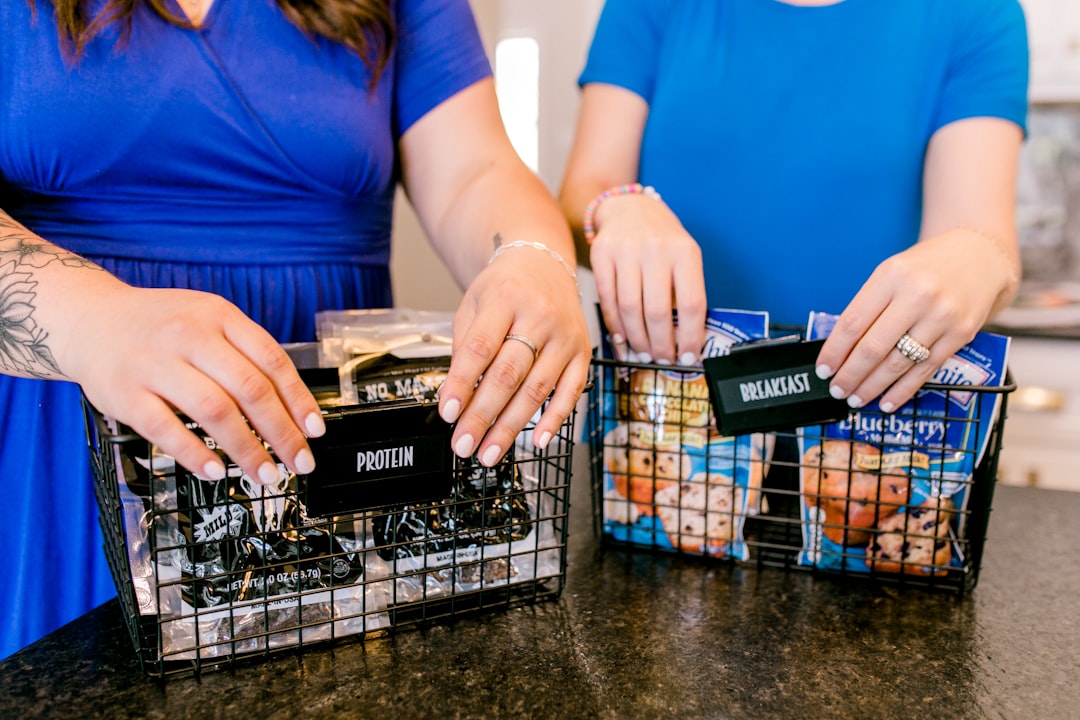
Kitchen Pantry Organization works best when the space is treated like a working system, not a display shelf. The goal is not to line up matching jars for the sake of a photo. It is to make breakfast faster, reduce duplicate purchases, and keep ingredients visible enough that they actually get used.
That sounds simple, but most pantries drift into chaos for ordinary reasons. A box of crackers gets pushed behind a bag of rice. Three half-used bags of pasta sit in different corners. The snack shelf becomes the default dumping ground for every loose item in the kitchen. Once that happens, even a well-stocked pantry starts to feel unreliable. A better setup does not begin with shopping. It begins with a reset, a few honest measurements, and a plan that matches how the household really cooks. If you want more room-by-room ideas, browse the Home and Garden section on LifeInsy.
Kitchen Pantry Organization Starts with a Reset
The fastest way to improve a pantry is to empty it far enough to see what is actually there. That does not mean hauling every item to the dining table for a dramatic overhaul. It means pulling one shelf, one basket, or one category at a time so you can see duplicates, expired goods, and items that have been hiding in the back for months. A reset gives you a clean picture. Without that picture, every container and label decision is just guesswork.
As you sort, group things by use rather than by brand or package size. Baking items belong together, but so do quick lunches, snacks, breakfast foods, and canned goods. This step matters because pantry order should reflect decision-making in the kitchen. When a person opens the door, they are usually trying to answer a question quickly. What can I make tonight? What needs to be eaten soon? What do I need to buy? If the shelves answer those questions at a glance, the pantry starts saving time instead of stealing it.
It also helps to be honest about what should leave the house. Unopened items that do not fit the way you cook can be donated if they are in good condition and within date. Items that are stale, crushed, or unlabeled are better discarded. It is easier to maintain a smaller, clear system than a large, vague one. The point of the reset is not perfection. It is to create enough order that the pantry stops hiding the truth.
During the reset, pay attention to the categories that multiply the fastest. Snacks, grains, pasta, and baking supplies often create the most clutter because they come in awkward packaging and get repurchased before the household finishes the first bag. Those categories usually benefit from the most visible storage. Once you can see the shape of the problem, every later decision becomes easier.
Measure, Edit, and Group Before You Buy a Single Bin
Many pantry makeovers fail because the storage comes first and the measurements come later. A container may look tidy on a shelf, but if it wastes two inches of depth or blocks the next shelf up, it is not really helping. Before buying anything, measure shelf depth, shelf height, cabinet width, and the clearance needed for doors to close. Write those numbers down. A simple note on your phone is enough. The right size matters more than the trendiest material.
Editing is the next step. After you know the dimensions, decide what deserves prime space. Daily-use items should live at eye level or just below it. Heavier goods such as flour, rice, and bulk cans belong lower down. Rarely used serving supplies can move to the top shelf. This sort of editing keeps the pantry aligned with real habits, not with wishful thinking. The most valuable shelves are the ones your household reaches for every day, so use them intentionally.
Once the space is measured and edited, group the contents into clear zones. A good pantry usually has fewer categories than people expect. Breakfast, lunch add-ins, dinner staples, baking, snacks, drinks, and backup stock cover most homes. If a category feels too broad, split it only when the volume truly requires it. Too many micro-categories can create another form of clutter. The aim is to reduce decision fatigue, not to build a museum of labels.
- Measure first so containers fit the real shelf, not a generic one.
- Edit stock so only useful items remain in high-traffic space.
- Group by purpose so the pantry mirrors how meals happen.
- Reserve prime shelves for the foods used most often.
- Keep the list simple so the system stays easy to maintain.
If you already know where your trouble spots are, measure those areas twice. Narrow shelves, awkward corners, and shallow cabinets all need different solutions. A good pantry plan respects the room’s limits instead of fighting them.
Build Zones Around Real Cooking Habits
The most useful pantry zones are built from routines, not from theory. A family that eats toast, yogurt, and fruit every morning needs a different setup from one that relies on hot breakfasts and school lunches. A person who cooks from scratch most nights needs more access to oils, grains, spices, and canned tomatoes. A household that leans on takeout and quick reheats needs a snack and backup meal zone that is easy to reach. The pantry should support the life already happening in the kitchen.
Think in terms of movement. What gets grabbed first in the morning? What gets used while cooking dinner? What gets packed for work or school? If those items sit in different areas of the pantry, people spend extra time searching and putting things back. If they live near each other, the kitchen feels calmer. You can even place categories in a path order. Morning items together, lunch items together, dinner items together. That small logic makes the space more intuitive for everyone in the home.
Zones also help when multiple people use the pantry. If one shelf is dedicated to grab-and-go snacks, no one has to ask where the granola bars live. If another shelf holds baking ingredients, the person making banana bread does not need to move jars out of the way to find vanilla. For larger households, consider a zone for each meal type and a separate zone for backup stock. That keeps the active shelf usable while still making room for extras.
The best pantry zones are visible before they are memorized. You should be able to look into the space and understand what belongs where. If the zones are too subtle, people stop respecting them. If they are too rigid, they become annoying to use. A flexible structure with clear boundaries usually works best. It gives the pantry enough order without making it feel fussy.
Choose Containers That Fit the Cabinet, Not the Catalog
Container shopping can be fun, but it is also where people overspend and overcomplicate the project. The best container is not always the prettiest one. It is the one that fits the shelf, holds the right amount, and makes food easier to see. In practical terms, that means choosing storage by shape, access, and use rather than by a matching set.
| Storage choice | Best for | What to watch |
|---|---|---|
| Clear bins | Packets, snacks, baking mixes, and mixed backup items | They work only if the bin is shallow enough to see inside without digging |
| Square canisters | Flour, sugar, rice, oats, and other dry staples | They save space better than round jars, but only if they stack neatly |
| Woven baskets | Potatoes, onions, tortillas, or loose packaged goods | They look warm and relaxed, though labels become more important because contents are less visible |
| Lazy Susans | Oils, sauces, condiments, and jars that get overlooked in corners | Use them where a shelf is deep and rotation matters |
| Shelf risers | Cans, spices, or small jars that need tiered visibility | Measure the shelf height first so nothing gets trapped above them |
There is also a difference between open storage and closed storage. Open baskets make sense for items that move quickly and do not need perfect sealing. Closed containers work better for dry staples and anything that should stay fresh or pest-free. A pantry usually benefits from both. Too much closed storage can make the room feel overdesigned. Too much open storage can make it feel messy. Balance is the goal.
It helps to buy the containers after the categories are clear. That way you can estimate volume correctly. A single family bag of cereal may deserve one bin. Bulk pasta might need two. Small snack packages may need several shallow trays instead of one deep bin. When the bin matches the category, the pantry stays easier to use and easier to restock.
Labels, Visibility, and the Difference Between Order and Confusion
Labels are not decoration. They are instructions. A good label answers one question quickly: what belongs here? That means the most effective labels are simple and specific. Instead of writing something vague like “miscellaneous,” label the shelf or bin with the category people actually recognize. Breakfast, Baking, Snacks, Dinner Staples, Canned Goods, Backstock. If a child or a guest can find the right item without asking, the label is doing its job.
Visibility matters just as much as naming. A pantry can look orderly and still be confusing if people cannot tell how much is left. Clear fronts, shallow bins, and stacked containers help people see inventory without pulling everything forward. If labels are used on opaque bins or baskets, place them on the front and make them large enough to read from the doorway. Tiny script labels can look neat in photos, but they slow down real use.
Some households also benefit from a date or rotation note. That can be as simple as a small tag on backup stock or a “use first” basket for items that need attention. The idea is not to create inventory software in the pantry. The idea is to keep food from disappearing into the back and getting forgotten. Visibility is one of the easiest ways to reduce waste without making the room more complicated.
There is a useful rule here. If the storage is hidden, the label must be obvious. If the storage is transparent, the label can stay minimal. If the same pantry serves multiple people, fewer words are better. People follow systems more reliably when the instructions are easy to read at a glance. Once a pantry becomes self-explanatory, it starts working on its own.
Kitchen Pantry Organization for Small Spaces and Shared Homes
Small kitchens need pantry systems that use height, not just floor area. That often means stacking containers, using shelf risers, and taking advantage of vertical space on doors or inside cupboards. A narrow pantry can still work well if each shelf has a clear job. One shelf for breakfast items. One for dry goods. One for snacks. One for backstock. The smaller the pantry, the more important it becomes to give each inch a purpose.
Shared homes add another layer. When several people use the same pantry, the problem is usually not lack of space. It is lack of rules. A clear system can solve that. Assign a shelf or basket to each household member if the pantry is very crowded. Create a shared snack zone for the items that disappear quickly. Keep baking or cooking staples in the most stable, centralized area. When everyone knows where the shared items live, the pantry stops becoming a negotiation every day.
For renters, temporary solutions are often the smartest ones. Tension rods, over-the-door storage, stackable bins, and removable labels can make a big difference without changing the cabinet itself. If the pantry is awkwardly shaped, do not try to force it into a perfect custom system. Build around the flaw. Use one corner for deep items, one shelf for shallow items, and one basket for odd shapes. A good pantry does not need to be symmetrical to be useful.
Small spaces also benefit from fewer container styles. In a tiny pantry, too many shapes create visual noise. Repeating the same bin or the same basket in a few places makes the space feel calmer and easier to scan. That does not mean every container must match exactly. It means the room should have a limited visual vocabulary so the eye can understand the system quickly.
Weekly Habits That Keep the System Working
A pantry stays organized through small habits, not heroic cleanups. The best maintenance routine is short enough to be realistic and frequent enough to matter. A ten-minute weekly reset can keep the system from sliding. During that reset, push items forward, return stray packages to their zone, check which goods are running low, and remove anything that has gone stale or spilled. It is much easier to protect a decent system than to rebuild a collapsed one.
One useful habit is the “one in, one out” rule for categories that pile up quickly. If a new bag of chips comes home, an older opened bag should be finished first. If a new box of pasta is bought, the almost-empty one should move to the front. That does not mean every category needs strict rationing. It means the pantry should not keep expanding without a check on what is already there.
Another habit is to make the pantry part of the shopping process. Before groceries are ordered or picked up, glance at the shelves and write down what is actually missing. That list should come from the pantry itself, not from memory. Memory is where duplicate purchases come from. If a household consistently shops from a live list, the pantry stays leaner and more accurate. The same habit also helps with meal planning because people can see what needs to be used soon.
- Return stray items to their zones after every grocery run.
- Front-face packages so the next item is easy to spot.
- Check low-stock categories before buying more.
- Wipe spills before they become sticky or attract pests.
- Move older items into the “use first” spot.
These tasks are small on purpose. A pantry should not demand a big reset every week. It should ask for a few steady minutes of attention so the whole kitchen feels easier to manage.
Seasonal Refreshes and Shopping Discipline
Pantry systems drift over time because routines change. Summer snacks look different from winter baking supplies. School schedules change the type of lunch items that need to be stocked. Holiday cooking adds large bags, specialty ingredients, and extra backups. A seasonal refresh helps the pantry adapt before clutter builds up again. It also makes the pantry feel useful rather than static.
During a seasonal refresh, look for patterns in what the household actually used. Did the family finish more pasta than rice? Did the snack bin empty faster than expected? Did the baking shelf stay untouched? Those details are useful because they tell you what deserves the best space. Shopping becomes smarter when it is based on real consumption instead of impulse. If one category sits untouched for months, it probably does not deserve prime shelf space.
Seasonal updates are also a good time to check duplicates. Most pantries collect the same items in three or four places. Extra baking soda. Duplicate mustard. Two open bags of the same cereal. A quick audit can reveal where the system is leaking money and space. That does not require a major purge. It only requires paying attention before the next restock.
One practical trick is to keep a short list of pantry staples on the inside of a cabinet door or in a phone note. When the list is built from the pantry’s real rhythm, shopping becomes less random. You are less likely to buy a second jar of something already hiding in the back. Over time, that discipline saves space, cuts waste, and makes the pantry more predictable.
Common Mistakes That Undercut an Organized Pantry
One of the most common mistakes is buying containers before deciding on categories. Matching storage can look satisfying at first, but if the bins are the wrong size, they create awkward dead space or force items to be stacked in a way that does not make sense. Another common problem is making everything too pretty and not functional enough. A pantry that looks calm but hides its contents is not really organized. It is just styled.
Another trap is over-labeling. If every package, basket, and shelf gets a different label style, the pantry starts to feel busy again. Labels should reduce confusion, not add another layer of visual clutter. The same goes for using too many container types. A few repeating shapes usually work better than a collection of one-off purchases. Consistency helps the eye understand where things belong.
People also forget to account for accessibility. Heavy items placed too high become annoying. Tiny jars placed too low get lost. Clear bins that are too deep turn into black holes. If the pantry is hard to use, the family will work around it instead of using it correctly. That is how the system slowly falls apart. A good pantry should invite use, not make people think twice.
It is also easy to ignore the backstock problem. Extra food is useful, but too much of it turns the pantry into storage for a future that may never come. Backstock should have a defined place and a limit. Once that limit is reached, the household should pause before buying more. That single boundary protects the pantry from becoming a warehouse.
A Weekend Plan You Can Actually Finish
If the pantry feels too messy to fix in one evening, give it a simple weekend plan. On day one, empty one section at a time, sort everything into clear categories, and remove anything expired or unnecessary. On day two, measure the spaces that matter, choose the categories that need the most support, and buy only the storage that matches those dimensions. On day three, put the pantry back together with the zones in mind, label the shelves, and test whether the space still feels easy to use.
That sequence matters because it keeps the work practical. It also keeps the project from turning into a shopping exercise. Once the pantry is rebuilt around real habits, the result is easier to maintain. Breakfast items stop migrating into dinner space. Snacks stop hiding behind flour. Backstock stops crowding the active shelf. The whole room starts to feel like it is helping instead of resisting.
For many homes, that is the real payoff of Kitchen Pantry Organization. Not a magazine-perfect cabinet. Not a wall of identical jars. Just a space that makes ordinary life smoother. When the pantry is clear, people cook with less hesitation, buy with more accuracy, and waste less food along the way. That is a practical kind of order, and it is usually the one worth keeping.