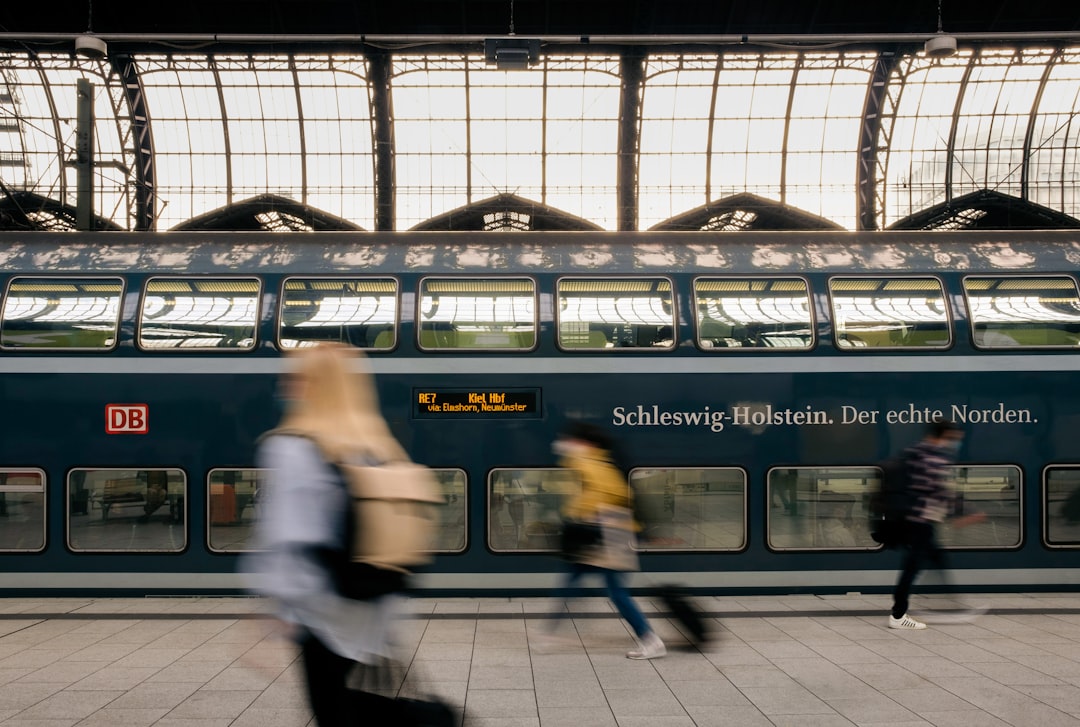
Slow travel in Europe starts with a simple shift: stop trying to collect the most places and start building a trip you can actually feel. I used to treat every European itinerary like a race, and the result was always the same: beautiful photos, blurred memories, and a suitcase full of regret. Once I began planning fewer stops, longer stays, and calmer transit days, the whole region opened up in a way that fast trips never managed.
That change sounds small until you live it. A morning coffee lasts long enough to notice the neighborhood waking up. A train ride becomes part of the story instead of wasted time. A second day in the same city gives you context, and context is what turns sightseeing into travel.
In this guide, I’m breaking down how I plan slower European trips in a way that still feels adventurous, practical, and worth the money. I’ll cover route design, transport, lodging, daily rhythm, budgeting, packing, and the small habits that make a long trip feel lighter rather than harder.
Why Slow travel in Europe changes the whole trip
Fast travel creates a strange kind of fog. You remember stations, queues, and check-ins, but the places themselves blend together. Slow travel in Europe clears that fog by giving each stop enough time to become a real setting instead of a backdrop. That matters because Europe is full of cities and regions that reward repetition. The best bakery near your apartment, the second square you stumble into, the tram you finally understand after day two, these are the details that make a destination stay in your memory.
The other reason slower travel works is energy. People often plan Europe as if every day must be a headline. One museum in the morning, one old town at lunch, one train in the afternoon, one reservation at night. That pace looks efficient on paper, but it quietly drains the trip. By day four, you are tired of being in transit, tired of making choices, and tired of trying to enjoy yourself on command.
I prefer to think in terms of density rather than quantity. A dense day has a few good pieces arranged well. You might have one anchor activity, one good meal, and unplanned time for walking. That gives the trip shape without turning it into a checklist. Europe is one of the best places for this approach because public spaces are made for lingering. Squares, promenades, neighborhood cafés, and train rides all support a slower tempo.
If you want a simple rule, use this one: if the itinerary looks impressive but feels exhausting while you write it, it is probably too fast. Slow travel in Europe is not about doing less in a lazy way. It is about doing less in a way that leaves room for the place to speak back.
Start with one region, not an entire continent
The easiest mistake is also the most common one. People say they want to see Europe, and what they really mean is five countries, eight cities, and an impossible number of transitions. That is not a trip. That is a logistics project.
A better starting point is a region. Northern Italy. The Basque Country. Southern France. Portugal’s coast. Central Europe by rail. When you choose a region, you reduce transport fatigue and increase pattern recognition. You begin to notice what makes the area distinct. Food tastes different. Streets feel different. Trains run differently. Even the rhythm of a weekday morning changes from town to town.
This is where slow travel in Europe becomes much easier to plan. Instead of asking, How do I fit everything in?, ask, What kind of trip do I want this to be? If I want food and small cities, maybe I build around Bologna, Parma, and Modena. If I want mountains and lakes, maybe I stay in one Austrian valley and branch outward. If I want coast and culture, maybe I connect Lisbon with Porto and a few smaller stops in between.
A simple comparison helps:
| Fast approach | Slower approach |
|---|---|
| One city per night | Two to five nights per base |
| Multiple check-ins | Fewer moves, more stability |
| Broad sampling | Deeper local pattern |
| Transit dominates the day | Transport supports the day |
| Memory feels fragmented | Memory feels layered |
That table is the real tradeoff. You give up a little breadth, but you gain a trip that feels coherent. And coherence matters more than most people admit.
If you want a practical place to begin, I’d suggest picking one anchor city, two side trips, and one open day for wandering. That gives you enough structure to feel organized without forcing every hour into a plan.

Build your route around rail and easy transfers
One of the biggest advantages of European travel is that you do not need to fight the continent to move around it. In many cases, rail is the cleaner choice, especially when you care about pace. Trains reduce airport friction, keep you closer to city centers, and let travel time become part of the experience instead of an interruption.
That does not mean every trip should be a train trip. It means your route should respect movement. Look at connections before you book anything else. How long is the transfer from station to lodging? Is the second city a natural continuation, or are you zigzagging for no reason? Is there a night train worth considering, or does that add fatigue without saving anything useful?
When I plan a slower European route, I look for three things. First, direct or nearly direct connections. Second, arrival times that do not ruin the first afternoon. Third, a sensible pattern that avoids backtracking. A route that moves in a loose arc is usually easier than one that jumps around like a pinball.
Here is a rule that saves time: if a transfer day requires three different transport modes and a long ride to the hotel, it probably needs to be simplified. The extra effort may look adventurous while you are booking, but it often feels expensive once you are dragging luggage across a platform and trying to find the correct bus stop.
Regional trains are especially useful for slow travel in Europe because they let you make small moves without changing the atmosphere of the trip. You can stay in one area and still see a coast, a village, a market town, and a larger city. That gives the journey variety without the mental cost of constant relocation.
When possible, build your route from easy to easy. Easy train. Easy check-in. Easy walk to dinner. Easy return. The trip gets better when each connection feels like a handoff instead of a hurdle.
Choose a base with real daily life
Hotel location matters more on slower trips because you are living inside the neighborhood, not just sleeping there. A good base should do three things: get you close to useful transit, give you access to ordinary daily life, and offer enough character that you want to return to it after a long day out.
I usually avoid staying only beside the most famous landmark. That can be convenient for one photo, but it often puts you in a neighborhood designed for short stays rather than daily rhythm. Instead, I look for a place with a bakery nearby, a grocery store, a square, and a transit stop I can use without thinking too hard.
This is another reason slow travel in Europe feels better when it is local rather than flashy. You are no longer just passing through tourist space. You are buying fruit in the morning, walking the same route twice a day, and noticing how the neighborhood changes between breakfast and evening. That repetition is not boring. It is the part that makes a place legible.
When comparing bases, I like to score them on five questions:
- Can I reach the station or airport easily?
- Can I walk to food, coffee, and basic supplies?
- Does the area feel alive after dinner?
- Would I be comfortable returning here alone at night?
- Does the neighborhood have something besides tourist density?
If a base scores well on four of the five, it is probably a strong option. The goal is not perfection. The goal is to remove friction from the ordinary parts of the day.
For longer stays, apartment-style lodging often works better than a standard hotel room. A small kitchen, a table, and a bit more storage can make the trip feel more grounded. You do not need to cook every meal. You just need the option to make breakfast, keep snacks, or stay in one evening without feeling trapped.
That sense of daily life is what turns a city from a sightseeing stop into a temporary home.
Design a day that can breathe
Many travelers overplan because they confuse structure with quality. A well-designed slow travel day does not have to be empty. It just needs breathing room between anchors. One good museum, one long lunch, one neighborhood walk, and one unhurried evening can be enough for a satisfying day.
I try to avoid stacking all the energy-heavy activities back to back. If the morning is intense, I leave the afternoon light. If the day includes a train arrival, I keep the first evening simple. If I know I will want to linger somewhere, I do not book a rigid reservation that cuts the day in half.
One of the best parts of slow travel in Europe is the way ordinary time starts to matter again. A late breakfast becomes a choice, not a delay. A longer walk becomes part of the point. Sitting in a park with no intention other than sitting in a park suddenly feels like a useful thing to do. That is not wasted time. That is how a trip gets texture.
A useful daily template looks like this:
- Morning anchor activity
- Simple lunch nearby
- Open window for walking or rest
- One second activity if energy is good
- Quiet evening meal and easy return
You do not need to follow that structure exactly, but you do need a rhythm. Without rhythm, slower travel can still feel scattered. A day that breathes is still a day with shape.
It also helps to build in at least one unscheduled block every two or three days. That block is where you notice the small things that would otherwise get squeezed out. A market you did not know about. A side street with better coffee. A local event on a poster board. Those moments are often the ones you remember later.

Budget for time, not just distance
People often think slow travel is more expensive because they picture longer hotel stays and more meals out. Sometimes that is true. But the full picture is more interesting. A slower trip can reduce transit costs, cut down on rushed food decisions, and help you spend money more intentionally.
The real budget question is not only how much the trip costs, but what kind of cost you are paying. Are you paying in money, or are you paying in exhaustion? Are you paying for speed, or are you paying for calm? Those are different budgets, and both matter.
I like to divide travel spending into four buckets: lodging, transport, meals, and flexibility. Flexibility is the one people forget. It covers the extra night that lets you skip a brutal transfer, the local train instead of a long taxi ride, or the better base that saves you from commuting all day. Sometimes the smarter choice is the one that looks more expensive at booking time and cheaper after the trip starts.
For slower travel, I also think about daily pace as part of budgeting. If I know I want a relaxed afternoon coffee and a good dinner, I should not build a day so packed that I end up buying expensive convenience food because I ran out of time. A more spacious plan often makes better use of what you already spend.
Here is a practical money check I use before locking an itinerary:
- Will I pay extra for checked bags or awkward transfers?
- Am I booking too many one-night stays?
- Could one better base replace two weaker ones?
- Will transit eat a day that I still pay lodging for?
- Do I have one flexible day in case plans shift?
If the answer to several of those questions is yes, the route probably needs simplifying. A slower route is not automatically cheaper, but it is often more efficient in the ways that matter.
The most valuable budget item in slow travel in Europe is not a discount. It is margin.
Pack lighter and travel with less friction
Packing light sounds obvious until you try to do it. Then the what ifs start multiplying. What if the weather changes? What if I want a dressier dinner? What if I cannot find laundry? Those are fair questions, but they can push a trip into unnecessary bulk.
The lighter approach works especially well for slower trips because you are less likely to be rushing from platform to platform. You have time to do a little laundry, repeat outfits, and stop treating your suitcase like a portable house.
My packing rule is simple. Bring enough for a clean week, then stop adding backup for every imagined problem. Choose items that layer well, shoes you can actually walk in, and a bag that is not annoying when it is half full. The less you think about your luggage, the more energy you have for the actual trip.
A practical packing checklist for slow travel in Europe:
- Two pairs of comfortable walking shoes, if space allows
- Layers that work in both sun and rain
- One outfit that feels a bit sharper for dinner
- Small laundry kit or a plan for local laundry service
- Compact day bag with room for water, snacks, and a jacket
- Charging cable, adapter, and a backup power bank
I also like to keep documents and transit information in one place. Not as a dramatic security system, just as a habit. Boarding passes, accommodation details, reservation notes, and local transit apps should be easy to reach. That one habit saves more time than almost any packing trick.
Less friction is the real goal. When your bag is manageable and your essentials are obvious, movement feels lighter. You spend less time managing objects and more time noticing the city.
Eat, shop, and move like you live there temporarily
Travel becomes richer when you stop acting like every meal must be a destination. Some of the most memorable moments on slower trips happen in ordinary places. A corner bakery at 8 a.m. A grocery store where you figure out the labels by instinct. A neighborhood café where the staff start to recognize your order. Those experiences are small, but they change the tone of the trip.
Slow travel in Europe gives you room to repeat routines. That repetition is useful because it teaches you how a place works. You learn when shops open. You learn which route is better on foot. You learn whether lunch is a sit-down affair or something quicker. You stop needing constant novelty to feel engaged.
Moving like a temporary local does not mean pretending to be something you are not. It just means paying attention. Use public transport when it is practical. Walk when the neighborhood invites it. Buy ingredients for breakfast if the kitchen makes sense. Sit in the same square twice if it is pleasant. Let the place develop a pattern.
One of the easiest ways to do this is to build a food rhythm. Maybe breakfast is simple and local. Lunch is the flexible meal. Dinner is where you choose to spend a little more time. That keeps the day from becoming a chain of rushed decisions while still leaving space for a special meal when it matters.
If you want a deeper travel experience, you do not need to chase hidden gems at all costs. You can simply become a regular somewhere for a week. That shift changes everything.
For more destination planning ideas, I also keep a growing library of guides in the Travel and Adventure category.
Keep a simple logistics system on the road
Slow travel still works best when the background systems are tidy. You do not want to spend your mental energy remembering where you booked the train, whether the apartment needs a code, or which day the laundry gets done. A little structure keeps the trip from feeling fuzzy.
I usually keep one note with the essentials. Lodging addresses. Check-in details. Train times. Confirmation numbers. Emergency contacts. Local transit shortcuts. Nothing fancy, just one place I can open quickly. That alone can save a surprising amount of stress.
Then I add a second layer for daily decisions. What time I want to leave. Whether I need to buy groceries. Whether I should book dinner now or wait. Whether tomorrow is a movement day or a stay-put day. That light planning helps slower travel feel intentional instead of passive.
A good logistics system also has a reset point. Every few days, I check the route ahead and make sure the plan still makes sense. If a museum is sold out, I swap it. If the weather changes, I adjust the walking day. If I am tired, I reduce the amount of movement. Flexibility is part of the system, not a failure of it.
Here is a useful on-the-road checklist:
- Confirm tomorrow’s transport the night before
- Charge devices and power bank together
- Keep cash and card access simple
- Know the first stop after arrival
- Leave a buffer for anything that usually runs late
Slow travel in Europe is much easier when logistics are calm in the background. You do not need a perfect system. You just need a system that stops small issues from becoming large ones.
A sample seven-day slow travel in Europe plan
To make this concrete, here is a simple seven-day structure that works in many regions. Imagine one city as the base, with one easy day trip and one slightly longer side trip.
Day 1 Arrival, check-in, grocery stop, neighborhood walk, early dinner.
Day 2 One major attraction in the morning, slow lunch, open afternoon, casual evening.
Day 3 Full day in the base city with a market, a museum, or a park, depending on energy.
Day 4 Easy day trip by train or bus, return before late evening.
Day 5 Rest-forward day with coffee, walking, and one good meal.
Day 6 Second side trip or a different neighborhood in the same city.
Day 7 Light morning, packing, final walk, departure.
This pattern works because it mixes anchor days, exploratory days, and recovery days. The trip still feels active, but it does not collapse under its own ambition. You are not racing to prove that you used every hour. You are allowing the week to accumulate shape.
When I use a layout like this, I usually end up remembering the in-between moments most clearly. The side street café. The long train window. The square I visited twice. That is the kind of memory slow travel in Europe is built for.

What to keep when the trip ends
The best slow trips leave behind habits, not just souvenirs. After a calmer European journey, I usually notice that I no longer want to overload future plans. I care more about neighborhood texture, less about bragging rights, and more about whether a day actually feels good while I’m living it.
That lesson is worth keeping. You do not need to wait for the next long trip to use it. Start smaller. Give yourself one slower weekend. Choose one base instead of two. Leave one evening open. Walk to dinner. Sit longer in one place. See how that changes the trip.
If you travel often, slow travel in Europe can become a useful benchmark. It reminds you that movement is only valuable when it adds something. A packed itinerary can feel productive, but productivity is not the same as depth. Depth comes from time, repetition, and enough space to pay attention.
My favorite trips are not the ones where I saw the most. They are the ones where I understood the place a little better by the end than I did at the start. That is the standard I keep coming back to.
If you want to build your own version, start with one region, one base, and one day with nothing much planned. That is enough to change the feel of the whole journey. The rest tends to follow.