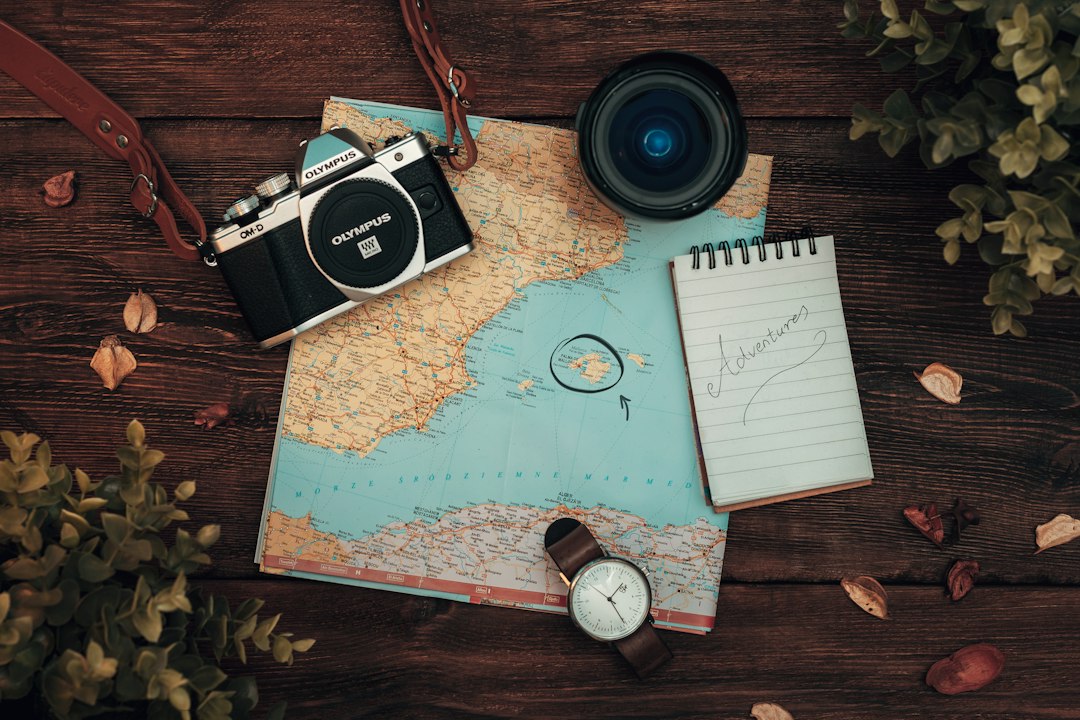
This slow travel guide is for travelers who want their trips to feel spacious, grounded, and genuinely connected to a place. Instead of racing from sight to sight, you’ll plan for longer stays, slower moves, and simple daily rhythms that let you notice texture: the way light falls on a neighborhood corner, the sound of a market at 7 a.m., the names you learn when you buy bread at the same bakery three days in a row. Below, you’ll find a practical framework to design journeys that trade checklist pressure for presence, while still keeping your budget, safety, visas, and technology organized and calm.
slow travel guide: core principles
Slow travel works because it aligns your time, attention, and logistics with what your mind and body actually enjoy on the road. Three ideas anchor everything in this approach. First, choose depth over breadth. It’s simpler to spend a week in one city than three days in three cities, and you often gain more from the former. Second, plan flexible structures rather than rigid itineraries. You’ll define anchor days, light days, and free days instead of scripting every hour. Third, reduce travel friction at each step: fewer check-ins and check-outs, fewer packing cycles, fewer transit hops. The less overhead you carry, the more space you have for moments.
That doesn’t mean abandoning goals. You can still set themes: food, hiking, language, history, crafts, or simple rest. The difference is pacing. Slower travel is comfortable with unfinished lists. You’ll leave things for a next visit and accept that missing a famous sight to spend a morning with a local friend or a book is often the better story. You’ll also learn to toggle between intentional experiences and wandering: intentional when you cook with a host family or take a guided walk; wandering when you follow a street because you like the way the wind smells after rain.
Slow travel has no single correct form. A parent with two kids, a solo backpacker, and a couple working remotely will make different choices. What they share is a bias toward staying a bit longer, walking a bit more, eating from markets a bit more often, and preserving energy for deep encounters rather than grinding through queues.
Choosing destinations that reward a slower pace
Some places reward slowness instantly: mid-size cities, historic towns, countryside villages, islands with compact transport, and regions with strong local food culture. Others can feel frantic unless you carve out a micro-neighborhood and commit to it. When picking destinations, ask two questions. Where will a week or two in one base feel rich? How easily can I explore on foot, bike, or local transit without relying on constant rides?
Consider a ladder of scales. At the top is the country or region: Portugal, Kyoto prefecture, Yunnan, Oaxaca, or the Peloponnese. Beneath that sits a base: Porto instead of hopping Lisbon, Coimbra, and Braga in three days; a town near Kyoto rather than moving hotel every night; a small coastal base from which you can reach multiple villages by bus. Beneath that is the neighborhood: markets, parks, bakeries, laundries, craft shops, and casual places you’ll revisit. If your base makes this neighborhood-level living easy, your trip will feel slow without trying.
Look for layered places: strong food traditions, walkable streets, daily rituals you can adopt (morning coffee, evening stroll), and public spaces where locals spend time. A slower trip thrives on habit. When you return to the same bench, the same fruit stand, the same bus stop, you start to recognize faces and rhythms. That is connection.
If you’re deciding between two destinations, compare how many transit moves each option requires and how many “default” joys it offers—parks, water, hills, markets. A place with five free joys within a 10-minute walk is usually friendlier to slow travel than a place where every activity needs a reservation or a long ride. For inspiration and route ideas that match this style, browse the Travel and Adventure section on Lifeinsy Travel and Adventure, then adapt them to your pace and interests.
Budgeting for time, not just money
To travel slowly means to budget time as a resource you can invest, save, and spend. Start by mapping costs that shrink when you slow down. Lodging often discounts weekly and monthly stays. Food becomes less expensive when you cook a few meals and shop markets. Transit per mile drops when you minimize long hops and use local passes. In exchange, you invest more time in one place, which pays back in richer experiences.
Create two budgets. The first is money: an envelope for lodging, food, transport, activities, connectivity, and contingencies. The second is time: an envelope for anchor days (high-effort experiences such as a long hike or a cooking class), light days (neighborhood walks, galleries, libraries, parks), and free days (no commitments, just what feels right). A seven-day trip might include two anchor days, three light days, and two free days. A three-week trip could scale that pattern and include rest days that deliberately leave hours empty.
Track energy, not just time. You can spend eight hours and little energy sitting by a river watching boats, then spend two hours and a lot of energy navigating a crowded museum. A good slow-travel budget assigns effort realistically. Early in the trip you may have more energy for anchor days. Midway, you’ll likely want quieter mornings and gentle afternoons. Near the end, you may choose a favorite routine rather than squeeze one more sight in.
Make contingency space. Weather shifts, closures, and energy dips happen. Set aside time and money for a change of plan: an extra night because the town feels right, cab fare when a train is delayed, a simple picnic on a rainy day. You’ll feel more at ease if your budget expects the unexpected.
Designing flexible itineraries with anchor days
Rigid itineraries are brittle. Slow travel uses flexible designs that give structure without locking every hour. Build your plan around anchor days: experiences that define the trip and require some preparation. Examples include a countryside hike, a community workshop, a regional market day, or a daytrip to a nearby town.
An anchor day has three parts. The setup: reserving what needs booking, checking routes and transit, packing light, and having snacks. The stretch: committing to the main activity, while noticing pace (hike at your speed, leave gaps for conversation). The release: returning gently—hot drink, shower, simple dinner, early bed. When you honor the release, the next day stays relaxed instead of ragged.
Between anchors, schedule light days and free days. A light day can be two small activities: a ceramics studio visit and an afternoon in a park with a book. A free day is truly free. You wake up, check how you feel, and decide whether to code-switch into a new mood, like walking without a phone, or visiting a street you haven’t tried yet. The success criterion is not the number of sights but the sense that you learned something about the place.
Write your plan as blocks rather than hours. A block might be “Morning: neighborhood loop and market; Afternoon: library and river; Evening: cook and journal.” Blocks create variety without pressure. If the weather flips, swap blocks. If you meet someone interesting, invite them to join a block or leave space for a spontaneous block tomorrow. That looseness is the oxygen in slow travel.
Transport options that support slow travel
Transit shapes attention. Faster modes compress time but often compress memory. Slower modes expand both. In cities, walk when you can; it is the cleanest way to notice texture: windows, trees, smells, cats napping on warm stone. If distances are longer, bikes and e-bikes extend your range without isolating you inside a carriage. In regions, buses and local trains connect you to daily life. The rhythm of a regional train—the stops, the announcements, the families—teaches you what a day really feels like for people who live there.
To move between bases, consider day trains instead of red-eyes, ferries instead of flights, and one long ride instead of many short ones. When a flight is the sensible option, pick times that align with your energy and give a cushion for arrival. If a train or bus will take you a scenic way, bring snacks and an offline map, and let the ride be part of the trip. Transit days become richer when you treat them as their own kind of anchor experience: you look out, write, read, and arrive without haste.
Transit logistics are easier when you minimize pieces: fewer bags, simpler ticket stacks, one transit card or app per city. Charging cables live in a clear pouch. Each traveler carries a small snack kit and water. If you have a tradition—buying fruit at the station, journaling in the waiting hall—keep it. Traditions turn logistics into rituals.
Stays that feel like temporary homes
Lodging supports slowness when it offers three things: light routines, small comforts, and simple access. Light routines mean you can wake at your chosen hour, make tea, stretch, and read. Small comforts include a quiet corner with a chair, a table where you can write or draw, a clean bathroom, and practical heat or breeze. Simple access is safe and nearby: markets, transit stops, and parks within a short walk.
When booking, look at photos for “home signals”: a kettle, natural light, shelves with a few books, hooks for towels, a table near a window, a balcony with a small table. Read reviews for evidence of quiet, friendly hosts, and reliable connectivity if you need to work. Weekly stays often come with better prices, and hosts may lend you things like a bike or local cards if you communicate clearly and politely about your plans.
If you’re traveling with family or friends, choose a space that supports separate moments. A two-bedroom apartment lets a child nap while another adult cooks. A small house with a terrace lets someone step outside for quiet while others play. In hostels or guesthouses, ask about calmer rooms and small common areas. You’re not looking for luxury; you’re looking for livability. A room with good light and a spot to put your bag can feel like a gentle studio.
Make the space yours for the week. Unpack into a drawer, hang clothes, place your book on the table, and set your journal where you will use it. A few minutes of setup help your days feel anchored.
Daily routines: eating, learning, moving
Slow travel leans on daily rhythms that connect you to place without requiring effort every hour. Eating is the simplest rhythm. Shop small markets and corner grocers, buy fruit, bread, cheese, and greens. Eat one meal out and one meal in. When eating out, prefer small places where you can watch, ask questions, and learn. When eating in, cook simple: soup, salad, pasta, and a roasted vegetable. Food becomes both nourishment and education.
Learning happens naturally if you add gentle study to your days. Visit libraries and small museums. Read a short article on the artist whose mural you passed, then walk back and look again. Learn greetings and numbers in the local language, and practice with vendors. Take a neighborhood tour led by someone who lives there. Ask what a stone pattern is called, or what the fog in the morning means for fishermen. Keep a notebook; record words, names, and impressions. A tiny language habit changes how people respond—smiles, slower speech, more patience.
Movement is essential and easy. Walk in the morning loop: 20 to 40 minutes around the neighborhood. Stretch for 5 minutes after breakfast. If you enjoy exercise, find a community class or a park where people gather. If you prefer quiet, carry a pencil and sketch. A 20-minute sketch in a plaza anchors the day. Those simple rituals keep energy steady.
Here’s a small checklist you can adapt:
- Morning loop: 20–40 minutes walking, light stretches after.
- Market stop: fruit, bread, cheese, greens for the day.
- Learning bite: read, museum, library, or short conversation.
- Journal: three lines at lunch, five lines at night.
- Evening wind-down: tea, gentle music, early bed before anchor days.

Safety, visas, and practical logistics
Good logistics protect slowness. Before departure, check entry requirements and any visa conditions for your destination and passport. Confirm whether you need onward travel proof and understand local customs around identification. Take photos of important documents and store them securely offline and in a cloud folder. Carry copies in a separate bag. Share your plan and contact info with someone you trust.
Safety often improves when you stay longer in a single base. You learn patterns: which streets are busy at night, which buses are crowded at certain hours, where to keep your wallet close. Keep valuables minimal. When you venture to a new area, bring a small daypack with essentials, a portable battery, and a clean water bottle. Dress in a way that feels respectful and comfortable. Use a money belt if it eases your mind, but remember that posture and awareness matter more: look around, walk calmly, and take breaks when you feel overloaded.
Build little logistics rituals. Put your transit card in the same pocket. Place keys and wallet in the same corner of the bag. Each evening, check weather and your next block. If you buy perishables for tomorrow’s breakfast, put them in the same spot in the fridge. When a system feels natural, you spend less time searching and more time noticing.
Tech tools for a calm, offline-leaning trip
Technology can either support or compete with attention. The goal is to make it supportive. Choose a core set of apps and keep them on the first screen: maps with offline downloads, transit apps, note-taking, camera, translation, and a journaling app. Download offline maps for the city and region, and pin key places: your lodging, market, park, museum, bus stop, and a few cafés. Set your phone to focus modes that silence notifications during walks and meals.
Use technology to prepare, then put it away during experiences. Check an art gallery’s opening hours in the morning, then enjoy the gallery without refreshing the map every five minutes. Read transit schedules at breakfast, then take the bus and let the ride unfold. If you need connectivity for remote work, choose lodging with reliable internet and back it up with a local SIM. If you don’t, pick calmer connectivity rhythms: check messages after lunch and again after dinner, not constantly.
You can also lean on non-digital tools: a paper map from the tourist office, a notebook for names, and a pencil. Write three lines at lunch and five at night. That small pattern helps memories stay yours rather than the phone’s. If you enjoy photography, consider a weekly “no camera” walk to reset your senses. You’ll see differently.
Respecting places: culture, environment, community
Slow travel asks you to be a good guest. Cultural respect can be simple: learn greetings, say thank you in the local language, observe how people queue and order, and notice dress norms. When in doubt, ask kindly and follow local patterns. Environmental respect comes from choices: reuse bottles, carry a small bag for trash, choose public transit, and keep showers short in water-scarce regions. Community respect shows in where you spend money and how you occupy space: buy from small vendors, avoid blocking narrow sidewalks, keep noise low late at night, and don’t crowd small sites beyond capacity.
Think of impact in layers. Your lodging choice could shift waste and water use. Your transit choice shifts emissions. Your food choice shifts who benefits from your spending. None of this has to be doctrinal. It can be a calm practice of noticing and choosing options that feel considerate. You can join a cleanup hour at the beach, buy bread from a family bakery, or carry a small container to bring leftovers home. These tiny decisions add up in a week, and they are part of the joy of being in a place at human speed.
Share fairly online. If a place is small and fragile, consider not geotagging it. If a person appears in your photo, ask permission. If a community project offers visitors a way to help, be honest about your abilities and time. You’re not trying to do everything; you’re trying to do the next considerate thing.
Capturing memories without losing the moment
Slow travel and memory are friends. When your days have rhythm and plenty of room, impressions settle. You still capture them, just not at every second. Try a “three lines at lunch, five lines at night” journal rule. It’s enough to anchor memory. Add a weekly reflection: what surprised me, what I learned, what I want to repeat, and what felt heavy. If you enjoy drawing, a 20-minute sketch in a plaza will seal a place into your mind. If you enjoy sound, record a minute of ambient audio: café chatter, a bus station’s sequence of announcements, or waves on a windy day.
Photography thrives with intention. Choose themes: doors, textures, street corners at morning light, bikes, laundry lines. Then walk slowly and shoot within those themes. You’ll create a coherent set and avoid the trap of snapping everything. Consider one “no camera” block per week. You’ll notice different details when you leave the lens behind. And when you do shoot, build in a short curation session every two or three days: favorite ten, delete duplicates, and write two tags. Your photo library will feel calm rather than overwhelming.
If you share online, keep context. Describe the neighborhood, the time of day, and a detail you learned. Write with gratitude. That tone will help others approach the place respectfully.
Troubleshooting: when the plan changes
Even the gentlest itinerary changes. Trains run late, markets close early, and energy spikes and dips. Troubleshooting is easier if you expect shifts and carry small tools: extra cash, a card with emergency numbers, a portable battery, printed confirmations for important bookings, and snacks. Keep the day flexible. If the bus doesn’t arrive, walk to a park, sip tea, and check the schedule again. If rain washes out your countryside day, stay in town and make a cozy indoor plan: library, café, small museum, and a simple dinner. Treat changes as part of the trip rather than failures.
When you’re traveling with others, share energy check-ins. Ask how each person feels and what they want from the next block. Sometimes a small split works wonders: one person walks, the other rests. Meet later for dinner. You can also swap anchor days if someone is tired. The plan is a conversation, not a decree.
Remember the troubleshooting ladder. First, simplify: fewer moves today. Second, substitute: a light day instead of an anchor day. Third, pause: rest and reset. Fourth, accept: leave something for next time and let it be an invitation to return. Slowness absorbs shifts gracefully.
Examples of week-by-week structures you can adapt
Here are three practical weekly patterns you can adjust to your needs. They all balance anchor, light, and free days.
City base week: Day 1 arrival and setup; Day 2 anchor day (neighborhood walking tour and cooking class at night); Day 3 light day (library in the morning, market lunch, park in the afternoon); Day 4 free day (choose a mood on waking); Day 5 anchor day (daytrip to a nearby town by train); Day 6 light day (gallery and long café stop); Day 7 gentle day (no commitments, favorite neighborhood loop, early dinner).
Coastal week: Day 1 arrival and groceries; Day 2 anchor day (ferry to a small island, long walk); Day 3 light day (harbor, bookshop, sketching); Day 4 free day (choose beach, hill, or town loop); Day 5 anchor day (community workshop: crafts or cooking); Day 6 light day (market and picnic, sunset walk); Day 7 gentle day (rest, laundry, favorite café).
Countryside week: Day 1 arrival and map study; Day 2 anchor day (regional trail with a bus out and back); Day 3 light day (village museum, orchard visit); Day 4 free day (long morning loop on foot, reading in shade); Day 5 anchor day (guided farm visit or lake day); Day 6 light day (craft studio and park); Day 7 gentle day (rest, pack deliberately, early bed).
These are templates, not rules. Swap days to fit weather and energy. If you work remotely, weave two work blocks into light days and keep anchor days outside work windows. If you travel with kids, anchor days become shorter and free days become playground mornings.
Packing for fewer moves and calmer days
A smaller kit makes slow travel simpler. Pack layers rather than heavy items, choose a compact rain shell, and bring shoes that can walk all day. A small notebook and pencil belong in the daypack. A reusable water bottle, fabric shopping bag, and tiny snack kit (nuts, dried fruit) lower friction. Toiletries stay simple: a solid soap, a small tube of toothpaste, and a travel brush. If you must carry a laptop for work, keep cables in a clear pouch and choose lodging with a good table and chair.
Set a packing ritual. On arrival, unpack into your drawer, hang two shirts, place your book and journal on the table, and put the daypack by the door. On departure, repack calmly the night before. With fewer items, you’ll spend less time hunting and more time living.
Here’s a compact list you can tweak:
- Clothing layers for the expected climate; one warm layer even in summer.
- Compact rain shell, hat, and a scarf that doubles as a picnic cloth.
- Walking shoes you’ve already worn for long days.
- Daypack with notebook, pencil, reusable water bottle, and snacks.
- Travel-sized toiletries and a small laundry kit for sinks.
- Charging kit in a clear pouch; local SIM if needed.
- Paper map or printed directions for key places.
Simple etiquette that makes you a welcome guest
Etiquette in slow travel is basic but powerful. Say hello when entering small shops. Wait your turn. If you don’t know a custom, watch how locals do it and follow. Keep your voice modest when streets are narrow or rooms are close. Ask before photographing inside small businesses or homes. If you make a mistake, apologize and adjust. People are usually kind when they see you trying.
Money etiquette matters too. Carry small change for markets, tip where customary, and avoid haggling in ways that disrespect local norms. Learn the phrase for “keep the change” and “thank you for the meal.” Buy from vendors you like and return during the week. Familiarity creates trust.
Online etiquette is part of this. If you write about a place, contextualize. Mention the neighborhood, the scale of the venue, and how busy it was. Avoid language that encourages overwhelming tiny spaces. A few thoughtful sentences can steer readers toward respect.
Putting it together: a gentle approach to adventure
Slow travel replaces hurried lists with layered days. You still move, explore, and learn—you simply set a humane pace and let routines carry you. Choose bases that feel like small homes. Structure weeks with anchor, light, and free days. Budget money and time realistically, and accept that serendipity will shape the best moments. Walk often, eat simply, learn a little each day, and record your impressions. Respect people and places. Keep technology helpful and quiet. Troubleshoot with grace. When you give your trip this kind of attention, it returns the favor in memories that feel whole rather than scattered.
The world is full of places that welcome you at human speed: mid-size cities with markets, towns with libraries and parks, islands with ferries, and regions of trains and buses that trace ordinary life. If you carry a slow frame, you will notice them. This guide offers a way to carry that frame reliably so your travels can feel less like a sprint and more like a series of long, generous breaths.