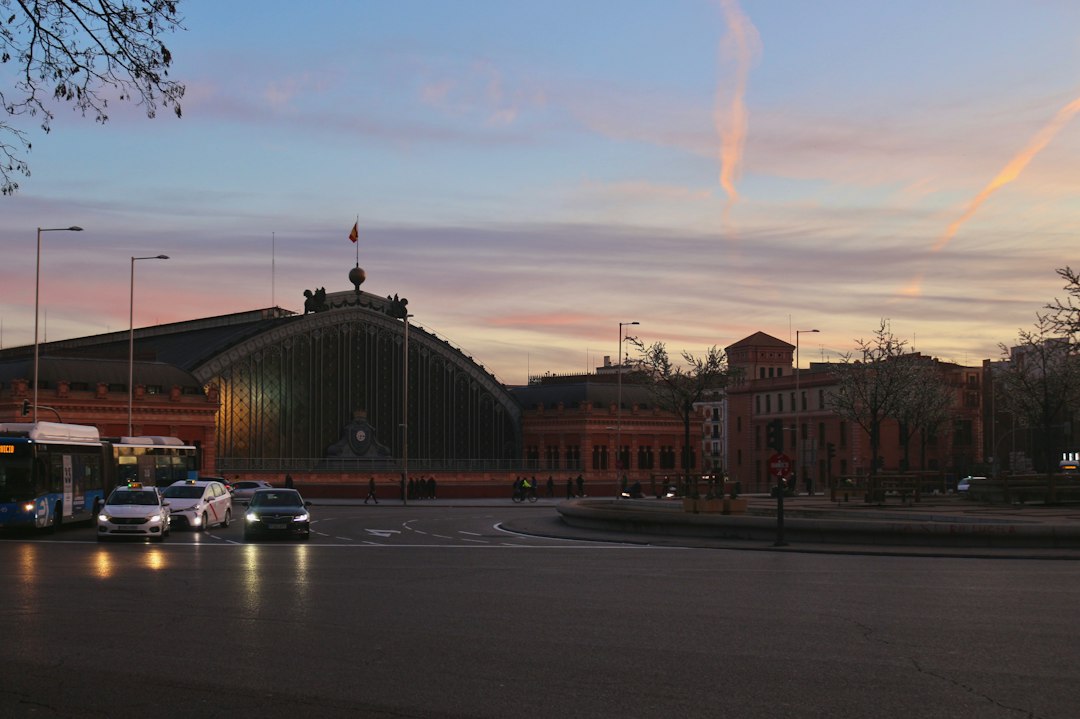
The best 10 day spain itinerary for first-timers is Madrid (3 days) → Seville (3) → Granada (2) → Barcelona (2), linked mostly by high-speed trains plus one short flight. Expect about 2.5 hours Madrid–Seville on AVE, roughly 2.5 hours Seville–Granada on a train or train–bus combo, and a 1.5-hour flight Granada–Barcelona, with a day trip to Toledo from Madrid and timed tickets for the Alhambra and key Gaudí sites. Budget around 120–250 USD per person per day (excluding international flights), and book the big-ticket entries 2–3 months ahead.
Choose trains for comfort and station-to-center speed, fly Granada–Barcelona to avoid a long rail day, and pace your sightseeing around Spain’s meal times and siesta hours. Reserve the Alhambra General ticket (with Nasrid Palaces time), Sagrada Família, Park Güell, and a flamenco show in Triana early. Stay near Atocha in Madrid and Sants/Eixample in Barcelona for easy station access, and use shoulder seasons (April–May or September–October) to keep crowds and heat manageable.
10 day spain itinerary: Madrid → Seville → Granada → Barcelona (quick answer)
Here’s the simple structure that balances culture, food, architecture, and logistics for a first visit:
- Days 1–3: Madrid with a Toledo day trip
- Days 4–6: Seville
- Days 7–8: Granada
- Days 9–10: Barcelona
Key legs, typical times, and costs (one-way, per person):
- Madrid → Seville: AVE high-speed train, about 2.5 hours, 35–85 USD if booked in advance
- Seville → Granada: direct train or train–bus, about 2.5–3 hours, 25–50 USD
- Granada → Barcelona: 1.5-hour flight (allow 4 hours door-to-door), 40–120 USD; flying saves a very long train day
- Madrid → Toledo (day trip): 30–35 minutes by Avant train, 15–25 USD each way
Budget snapshot for 10 days (per person, excluding international flights):
- Lodging: 60–140 USD per night (midrange double split by two)
- Food and drinks: 30–60 USD per day (tapas lunches, a sit-down dinner)
- Local transit and taxis: 5–15 USD per day
- Attractions: 20–45 USD per day depending on Gaudí/Alhambra entries
- Intercity transport: 150–320 USD total across the trip
Who this suits: first-time visitors who want classic art, Moorish palaces, flamenco, and modernism with efficient travel. Who it doesn’t suit: travelers seeking beaches or ultra-slow pace. Easy swaps: trade Granada for Valencia (for food and beach time) or add a short 2–3 day side trip to Mallorca if you can extend to 12–13 days. You can also start in Barcelona and end in Madrid without changing the flow.
Pre-booking checklist (save time and money)
- Alhambra General ticket with Nasrid Palaces time slot (release window often 2–3 months ahead)
- Sagrada Família timed entry (peak slots sell out weeks ahead)
- Park Güell timed entry
- Flamenco show in Seville (Triana or an intimate tablao)
- Intercity tickets: Madrid–Seville, Seville–Granada (book early for lower fares)
- Lodging within walking distance of Atocha (Madrid) or Sants (Barcelona) if possible
- Airport transfers: check Granada and Barcelona flight times and the Aerobús or train options
Transport choices at a glance
| Route | Mode | Duration (platform-to-platform) | Typical cost (USD) | Booking site/app | Frequency | Pros | Cons |
|---|---|---|---|---|---|---|---|
| Madrid → Seville | AVE train | ~2 h 30 m | 35–85 | Official rail operator or trusted apps | Hourly at peak | Center-to-center, comfortable, no baggage fees | Prices rise late; peak holiday crowds |
| Seville → Granada | Train (some combos) | ~2 h 30 m–3 h | 25–50 | Official rail operator or trusted apps | Several daily | Scenic, simple boarding | Occasional timetable changes; fewer departures |
| Granada → Barcelona | Flight | ~1 h 30 m (allow ~4 h door-to-door) | 40–120 | Airlines or aggregators | Daily | Fastest overall | Airport transfers, bag fees possible |
| Madrid → Toledo (day trip) | Avant train | ~30–35 m | 15–25 each way | Official rail operator or trusted apps | Frequent | Quick and easy day trip | Popular on weekends; book a timed return |
Note: Fares vary by date and how early you book. Check the operator’s official channels for current schedules and terms.
Day-by-day plan with must-sees and time-savers
Day 1: Arrive Madrid. Drop bags, stretch your legs in the historic center: Puerta del Sol, Plaza Mayor, San Miguel Market for a light bite. If energy allows, stroll the Austrias quarter to see the Royal Palace exterior at golden hour.
Day 2: Art and parks. Reserve morning tickets for the Prado (2–3 hours). Walk or bus to Retiro Park for the Crystal Palace and lake. Afternoon at the Reina Sofía for Picasso’s Guernica or swap in the Thyssen if you prefer a broader timeline. Evening tapas crawl along La Latina and Cava Baja.
Day 3: Toledo day trip. Trains leave from Atocha and arrive near the lower town; take the escalators up or a taxi to the Old Town. Highlights: Toledo Cathedral, Synagogue of Santa María la Blanca, and views from Mirador del Valle. Back in Madrid, time your entry to the Royal Palace or catch sunset at Templo de Debod.
Day 4: Madrid → Seville by morning AVE. Check in near Santa Cruz or Triana. Afternoon at Plaza de España and María Luisa Park, then watch the sunset from the riverside. Consider a casual tapas dinner in Alameda.
Day 5: Alcázar and Cathedral. Pre-book the Real Alcázar entry. Climb La Giralda for city views. In the evening, book a flamenco performance in Triana or a small tablao; these intimate venues sell out early in busy seasons.
Day 6: Barrio wander. Explore Santa Cruz lanes, ceramics in Triana, the Setas (Metropol Parasol) for a modern viewpoint. Leave time for a long lunch; Seville’s rhythm favors late meals and an unhurried afternoon.
Day 7: Seville → Granada. Upon arrival, stroll the Albaicín’s white lanes and tea houses. Time sunset at Mirador de San Nicolás facing the Alhambra’s glowing walls.
Day 8: Alhambra day. Use your timed Nasrid Palaces entry as the anchor, arriving on-site 60–75 minutes earlier for Generalife and the Alcazaba. Pace yourself with cafe breaks between complexes; signage is clear but distances add up.
Day 9: Fly Granada → Barcelona. Check in around Eixample or near Sants if you prefer station access. Late afternoon Gaudí: book Park Güell or a Casa (Batlló or Milà) depending on interest and timing.
Day 10: Sagrada Família and the Gothic Quarter. Reserve a morning slot for Sagrada Família (tower access is optional and limited). Walk the Gothic Quarter and El Born, stop at La Boqueria for a quick bite, and leave time for a Barceloneta beach stroll if the weather is pleasant.
Getting around Spain: trains vs flights vs driving
Spain’s rail network is the backbone of this trip. AVE and Avant trains are fast, comfortable, and leave from central stations (Atocha in Madrid, Santa Justa in Seville, Sants in Barcelona). Typical booking windows are 60–90 days in advance, sometimes more; the earliest deals usually appear when schedules load, then prices climb as departure nears. Classes include Turista (standard), Turista Plus (more space), and Preferente (business-style). Seats are assigned; luggage rides overhead or at carriage ends with generous allowances compared to most airlines.
When to fly: the Granada–Barcelona leg is the one place a short flight beats the train for most travelers. Door-to-door, expect about four hours including transfers. Check cabin bag rules and any fees so the apparent deal holds up.
Driving is optional and not recommended for this route if you’re focused on cities. Historic centers have narrow one-way streets, paid parking, and environmental zones (ZBE) with restrictions. If you’re planning rural detours in Andalusia or the Costa Brava, consider a car for those days only and park outside old towns to avoid stressful navigation.
Stations and airports: arrive 20–30 minutes before high-speed trains for ID and bag scans (stations are straightforward). In Barcelona, Sants connects easily by metro or taxi. In Madrid, Atocha’s tropical atrium sits just beyond the access gates; signage is clear, but give yourself a buffer. For flights, factor in security lines, boarding, and city-airport transfers; Granada’s airport is small and efficient, while Barcelona’s has more variable queues.
Costs and how to budget for 10 days in Spain
Lodging: expect 120–280 USD per night for a good double in central areas, less in shoulder months and more during spring fairs or major events. Apartments can be economical for groups but check location, building rules, and tourist license numbers.
Food: breakfasts skew light (coffee and pastry). A big-value move is the menú del día at lunch, a fixed-price menu that typically runs 12–20 USD outside the most touristy zones. Tapas hopping can be budget-friendly if you pace drinks and small plates.
Attractions to price ahead: Alhambra General ticket with Nasrid Palaces commonly lands in the 20–30 USD range; Sagrada Família is roughly 28–40 USD depending on options; Park Güell is usually 12–16 USD. A flamenco show in a respected venue often runs 25–60 USD. These ranges change, so check official sites before you lock your budget.
Intercity transport: early AVE tickets can be as low as the mid-30s USD, climbing past 80 USD late. Granada–Barcelona flights swing widely with season and luggage. If your plans are fixed, booking rail 6–10 weeks out tends to surface fair prices without over-optimizing.
Money and tipping: cards are widely accepted. Keep some small cash for markets and independent shops. Tipping is modest: round up or add 5–10 percent for great service in sit-down restaurants; bars and cafes are typically coins in the tray.
Want a structured planning workflow before you book? Use this step-by-step resource: Travel itinerary planning: a complete step-by-step guide. If you’re looking to cut costs without cutting joy, try these ideas: Save Big on Your Travels: Tips & Tricks to Limit Expenses.
Where to stay: the best neighborhoods for first-timers
Madrid: Centro and La Latina put you near major sights and lively tapas streets, but nights can be noisy. Salamanca offers quiet, upscale blocks and easy metro to museums. If you’re catching early trains, staying near Atocha trims morning stress.
Seville: Santa Cruz is postcard-pretty and steps from the Alcázar and Cathedral; expect winding lanes and boutique hotels inside historic buildings. Triana trades doorstep-to-sights convenience for nightlife, ceramics workshops, and a neighborhood feel along the river.
Granada: the Albaicín is atmospheric and hilly with some lodging requiring stair climbs; Centro is flatter and practical for dining and the morning Alhambra shuttle or uphill walk. If your Nasrid Palaces time is early, consider a taxi to the Alhambra’s entrance to conserve energy.
Barcelona: Eixample is central, walkable, and well-connected with wide sidewalks and many hotels. The Gothic Quarter and El Born are charming but busy; pick a quiet street if you’re a light sleeper. Gràcia is relaxed and local, a short metro hop from key sights. For early trains, Sants-adjacent blocks make sense.
Best time to go and crowd/heat strategies
Timing: April–May and September–October deliver warm days without Andalusia’s peak heat or Barcelona’s mid-summer crowds. July–August can be very hot in Seville and Granada; plan early starts, long lunches in the shade, and museum breaks in the afternoon. Winters are quieter, with short days and occasional rain.
Crowd tactics: book timed entries for the Alhambra, Sagrada Família, and Park Güell 2–3 months before your date if possible. Go for first or last slots of the day to spread foot traffic. Many museums close on Mondays; build that into your plan. Keep valuables secure in busy metro stations and popular streets like Las Ramblas and around major markets.
For travelers who prefer deeper, slower city time with fewer hops, consider adapting this plan with a slow-travel mindset: Slow travel in Europe: How to Plan Trips That Feel Deeper.
Variations and extensions (couples, beach, starting in Barcelona)
Starting in Barcelona: invert the route (Barcelona → Granada → Seville → Madrid) and you’ll keep the same flow. Sagrada Família and Park Güell still need advance slots, and the short flight works equally well in reverse.
Couples extras: sunset at Madrid’s Templo de Debod, a rooftop drink overlooking Seville’s Cathedral, the Mirador de San Nicolás in Granada, and a late-night Passeig de Gràcia stroll for illuminated Gaudí facades. Consider an Arab baths session in Seville or Granada for a relaxing evening between busy days.
Beach add-ons: swap Granada for Valencia if you want beach walks and paella by the sea; trains connect Seville–Valencia via Madrid. If you can extend to 12–13 days, a 2–3 night Mallorca side trip pairs well with Barcelona flights; rent a car on-island and base in Palma or Sóller.
Slower pace variant: drop one city and add extra nights elsewhere. A popular alternative is Madrid (3) → Seville (4) → Barcelona (3), skipping Granada this time and returning on a future Andalusia-focused trip.
Common mistakes to avoid (and quick fixes)
- Too many one-night stays: you’ll waste time packing and transferring. Stick to 3–3–2–2 or slow down to three bases.
- Not booking Alhambra and Gaudí early: official sites release timed entries weeks ahead; set reminders to grab them when your dates open.
- Driving into old towns: park outside or skip the car for this city route. Streets are narrow, parking is limited, and low-emission zones complicate entry.
- Underestimating door-to-door times: Spanish trains are fast, but stations are big. Add 20–30 minutes for security and finding platforms.
- Meal-time mismatch: lunch often runs 1:30–3:30 pm, dinner 8:30–10:30 pm. If you eat early, plan a market snack to bridge the gap.
- Pickpocket hotspots: keep a zipped bag in crowded areas like Las Ramblas, major metro hubs, and around big markets. Spread cards and cash between pockets.
Is 10 days enough to see Spain’s highlights? It’s a solid first pass across four iconic cities without racing. Should you start in Madrid or Barcelona? Either works with similar travel times; choose based on your international flight options. Train or car? Trains win for this city-focused route; consider a car only for rural side trips. Do you need to buy Alhambra and Sagrada Família in advance? Yes, if you want your preferred day and time, especially in spring and fall. Can you include Valencia or Mallorca in 10 days? Not without rushing—save those for an extension or a future trip.