Solo Travel Tips for Beginners can feel like a stack of rules at first, but the real job is simpler than that. You are trying to make your first trip feel usable, not heroic. A good first solo journey is the one that gives you enough structure to relax and enough room to notice what changes when you are on your own.
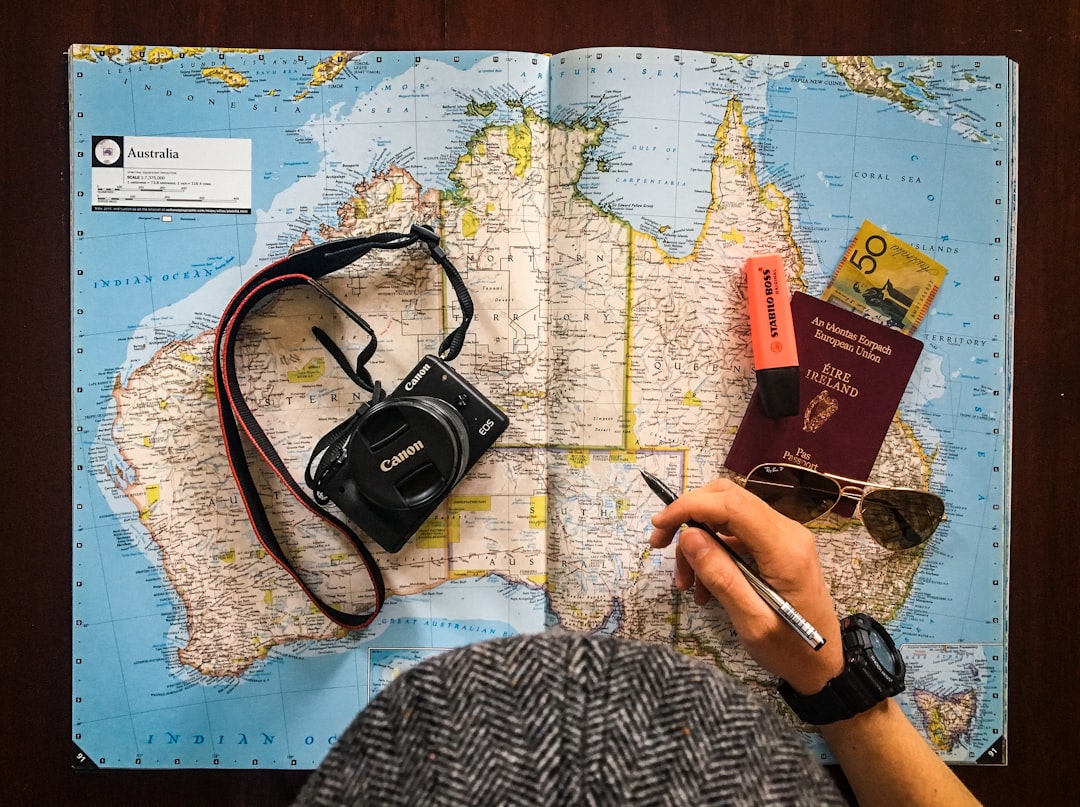
I like to think of a first solo trip as a small experiment rather than a life statement. You are not proving that you are fearless. You are learning how you move, eat, rest, plan, and recover when no one else is setting the pace. That is why the best advice usually sounds plain. Choose a route that makes sense. Pack less than you think. Leave space between plans. Build habits that keep you calm when the day starts changing shape.
If you want a broader framework for planning routes, timing, and trip style, I keep a running set of notes on the LifeInsy travel and adventure hub. The point is not to build a perfect itinerary. The point is to make the first trip feel possible, then make the next one easier.
Solo Travel Tips for Beginners: start with a trip that fits your energy
The first mistake I see beginners make is choosing a destination that looks impressive on a map but feels hard in real life. That can mean too many transfers, too much language pressure, too much movement, or too many decisions packed into one day. A solo trip asks you to do every small thing yourself, so the route should give you a little margin for hesitation.
I usually suggest starting with a place that has three things. It should have clear transport from the arrival point to your stay. It should have enough day-to-day structure that you are not inventing every hour. And it should still feel different from home. A compact city, a rail-connected coastal town, or a well-organized regional capital often works better than an ambitious multi-stop journey.
The emotional side matters too. Some people want quiet streets and a predictable rhythm. Others want museums, cafes, and a little motion. If you like crowds, a lively city may actually feel easier because you can blend in. If crowds drain you, a smaller base with one obvious main street may give you more room to breathe. There is no prize for starting with the hardest version of travel.
When I plan a first solo trip, I ask myself a few blunt questions.
- Can I picture the arrival from station or airport to hotel without guessing?
- Will I have to move every day, or can I stay in one place and explore outward?
- Do I know where breakfast, transit, and an easy dinner might come from?
- If I feel tired on day one, does the trip still make sense?
Those questions sound basic because they are. Beginners do not need a dramatic itinerary. They need a trip that gives them enough confidence to keep going after the first small wobble.
Build one base before you build an itinerary
Solo travel gets easier when your trip has a center of gravity. Instead of bouncing between hotels and waking up with a new logistics puzzle every morning, pick one base and let the rest of the trip radiate from there. That base becomes your anchor. You return to the same bed, the same key, the same neighborhood, and the same first ten minutes when you walk out the door.
That kind of stability matters more than beginners realize. Travel days become smoother when you know where you are sleeping, where you can store a bag, and how far the nearest station is from your room. It also changes the mood of the trip. You stop feeling like a moving checklist and start feeling like a temporary local. That shift is one of the quiet joys of traveling alone.
One base does not mean one activity. It means one home for the week, plus day trips, neighborhoods, and long walks that branch out from it. If you are in a city with good transit, that can be enough for several full days. If you are in a smaller place, it can still work beautifully because the slower pace gives you time to notice details. A first solo trip usually benefits more from depth than from distance.
There is also a practical side to choosing a base. Look at the area around the hotel or apartment on a map, but also look at the streets themselves. Is there a grocery store nearby? A cafe that opens early? A station or bus stop within a short walk? A safe, walkable area with a few ordinary conveniences will save you more stress than a glamorous address that looks better in photos.
I usually prefer to map the trip in layers.
- Layer one is the base, where I sleep and reset.
- Layer two is the neighborhood, where I can eat, stroll, and handle small needs.
- Layer three is the nearby highlights, the places I can reach without much friction.
- Layer four is the bonus day, the place I only visit if I still have energy.
That structure leaves room for surprise without letting the trip become chaotic. Solo travel works best when freedom has a frame.
Book the boring pieces first
People often book the exciting part first, like the best museum ticket or the scenic train. I usually do the opposite. I book the boring pieces first because they shape the rest of the trip. The first night, the route from the airport, the return flight, and any long transfer deserve more attention than the fancy dinner reservation.
The first night matters because it sets your tone. If you arrive exhausted and still have to decode public transport in the dark, the trip can feel harder than it needs to. I like to land in a way that makes the first evening simple. That can mean choosing an airport with a direct train line, booking a hotel close to the station, or arriving early enough to avoid the scramble that comes with a late check-in.
Return travel matters for a different reason. Beginners often forget that the end of the trip is also part of the experience. If your last morning includes a tight transfer, a complicated bag drop, and no room for a delay, you spend the final hours stressed. I would rather pay a little more for a flight that lets me move at a human pace than save a small amount and spend the whole departure day checking the clock.
For city travel, I also like to check three details before I book anything else. How long does it take to get from the station to the stay? What time do reception or check-in desks actually close? And is there a simple food option nearby if I arrive late? Those answers turn a risky arrival into a manageable one.
Once the boring pieces are fixed, the fun parts feel lighter. You can plan a museum morning or a ferry ride without wondering where you will sleep, how you will get there, or whether a late delay will unravel the whole day. Solo travel is calmer when the important logistics are already sitting in the background, quietly solved.
A useful trick is to give every booking a purpose. Ask why that piece matters.
- If the answer is comfort, choose the option that lowers friction.
- If the answer is movement, choose the option that shortens connections.
- If the answer is energy, choose the option that keeps the day from feeling crowded.
The best itinerary is not the one with the most impressive spreadsheet. It is the one that leaves you with enough attention to enjoy where you are.
Pack light enough to move quickly
Packing for a solo trip is really a question of mobility. Every extra item becomes your problem the moment you have to carry it up stairs, fit it into a tiny room, or keep track of it while you are distracted by a station announcement. Beginners often pack for imagined emergencies. They bring the extra shoes, the backup outfit, the backup backup outfit, and enough accessories to make three different versions of the same day.
I would rather pack for the version of myself who actually exists on the road. That person wants to move quickly, open a bag without thinking, and know where the important things are. For that reason, I keep the packing system simple. Documents stay in one pocket. Chargers stay in one pouch. Toiletries stay in one bag. Small items should have one home so I do not spend the trip searching for them in three different corners of a suitcase.
Clothes are easier when they follow the climate instead of the fantasy. Check the weather, then add one layer of caution. A light jacket, comfortable shoes, and a scarf or layer you can adjust are often more useful than several outfits that each only work in one narrow set of conditions. If you are going somewhere with mixed weather, pack pieces that can be repeated and re-mixed without making you feel like you are wearing the same thing in every photo.
There is also a mental benefit to packing less. A lighter bag removes one of the early beginner fears, which is the fear of being physically stuck with your own choices. When your bag is manageable, you are more willing to walk, change transport, or explore an extra street. You are no longer planning your day around what you cannot carry.
I keep a short packing checklist that I reuse for almost every trip.
- Passport or ID, plus a digital backup stored securely
- Payment cards and a little cash in separate places
- Chargers, adapter, and a portable battery
- One practical outfit for long transit
- One slightly nicer outfit for dinners or evenings out
- Toiletries in travel sizes that I know I will use
- Any personal essentials I do not want to replace on arrival
The goal is not minimalism for its own sake. The goal is freedom of movement. If you can carry your own life without feeling weighed down, the trip starts to feel simpler almost immediately.
Money, cards, and the hidden cost of flexibility
Budgeting for a solo trip is not only about how much the flight and hotel cost. It is also about the small choices that add up when you are alone. A single taxi instead of a transfer, a meal because you missed the cheap lunch window, or a last-minute change in plans can all shift the total more than expected. That is why I like to think in categories rather than a single number.
Before the trip, I separate the budget into fixed costs and flexible costs. Fixed costs are the things I know I will pay for no matter what, such as transport, accommodation, and any booked tickets. Flexible costs are meals, local transit, entrance fees, coffee, snacks, and the moments when convenience matters more than saving a few dollars. When those categories are clear, I can relax a little because I know which parts of the trip can move.
I also pay attention to payment methods. One card should not be the whole plan. I keep at least two cards from different accounts if possible, and I store them in separate places. A small amount of cash still helps in places where cards are not welcome or where a tiny purchase feels easier with notes and coins. The idea is not to overcomplicate the trip. It is to avoid getting stuck over one failed payment at the wrong moment.
Fees matter too. Airport exchange counters, international withdrawal fees, and dynamic currency conversion can all nibble away at the budget in ways that are easy to ignore in the moment. If you travel often, it is worth learning which bank or card gives you the most predictable costs. If you are traveling once or twice a year, even a small amount of planning can save you from the feeling that every purchase comes with a surprise.
I like to give myself a cushion for flexibility. That cushion is not for luxury. It is for ease. It covers the taxi when I am tired, the extra night if the itinerary shifts, or the meal that keeps a long day from turning sour. A first solo trip should not be so tight that one change ruins the mood.
A simple money routine helps.
- Check expected daily spend before you leave
- Track the first two days closely so you can adjust
- Keep a reserve that you do not plan to use unless needed
- Review fees after the trip so the next one becomes cheaper
Solo travel feels more relaxed when money is a background system rather than a daily panic.
Use safety habits that feel ordinary
When beginners ask about safety, I think the best answer is to build habits that feel like normal life, not like constant alertness. The goal is not to move through the world in fear. The goal is to reduce the number of awkward or risky situations you can accidentally create for yourself. That means paying attention, staying oriented, and making it easy for yourself to leave a place if something feels off.
One of the simplest habits is to share your basic itinerary with someone you trust. Not every meal needs to be reported, but someone should know where you are staying and how you plan to move. I also keep digital copies of key documents in a secure place and make sure my phone is charged before long travel days. Those steps sound unexciting because they are meant to disappear into the background. That is exactly what makes them useful.
At night, I try to reduce friction. I know where I am going before I step out. I avoid wandering while tired just to save a small amount of money. I keep my arrival route simple if I am heading back late. Those choices are not dramatic. They are just smart ways to keep the trip from becoming harder than it needs to be.
Location awareness matters as much as any gadget. When I arrive somewhere new, I notice the nearest transit stop, the main street, and the easiest route back. I also pay attention to which areas feel lively and which ones go quiet early. That does not mean I judge a place harshly. It means I understand its rhythm. Knowing the rhythm helps me make better decisions about timing.
A few habits tend to calm beginners quickly.
- Check the route before leaving your room
- Let someone know roughly when you expect to arrive
- Keep your phone accessible but not exposed
- Trust the first small signal that a situation is becoming awkward
- Choose accommodation with clear reviews and easy access
None of this turns travel into a controlled environment. It simply removes unnecessary chaos. The more ordinary your safety habits are, the easier they are to keep using when you are tired, excited, or distracted.
Eat alone without making it a project
One of the biggest emotional hurdles for new solo travelers is eating alone. Some people build the idea of solo dining into a bigger drama than it deserves. They imagine that everyone in the room is watching, or that a meal alone needs to look elegant to count. In practice, eating alone is just one of the easiest parts of the trip once you stop performing for it.
I like to choose places that match my energy rather than my insecurity. If I am tired, I find a cafe or a casual counter service spot where I can eat without thinking too much. If I want to linger, I choose a restaurant with a bar, a window seat, or enough motion around me that I can observe the room without feeling trapped in it. The point is to make the meal fit the day.
Beginners often benefit from arriving with a simple eating plan. That can mean knowing a breakfast spot near the stay, identifying one dependable lunch option, and keeping a backup dinner place in mind. When hunger is solved ahead of time, the rest of the trip feels smoother. You stop making decisions when you are already low on energy.
Solo meals can also become one of the best parts of the trip if you let them. You notice the room differently when you are not busy talking. You taste the food with more attention. You see how locals order, linger, or pay. Sometimes I keep a tiny notebook note after a meal, not because I am trying to document everything, but because the day feels clearer when I write one sentence about it.
If solo dining feels strange at first, I recommend starting with breakfast or lunch rather than dinner. Daytime meals often feel easier because the environment is more casual, the room is brighter, and the stakes feel lower. A good first solo meal can become a small win that changes the tone of the entire trip.
Here is the simplest way I think about it.
Eat where the room matches your mood, not where you think a solo traveler is supposed to look impressive.
That one adjustment removes a lot of pressure. Once a meal stops being a social test, it becomes part of the pleasure of traveling on your own.
Navigation, transit, and the moments that usually throw beginners off
Most first-trip stress does not come from the destination itself. It comes from the transitions. Airports, train stations, buses, local ticket machines, and unfamiliar exits can make a confident traveler feel clumsy for a few minutes. That is normal. Solo travel is often just a series of small transitions, and beginners do better when they expect the transitions to be the hard part.
I like to prepare for movement in layers. Before leaving a place, I know the next address, the approximate route, and the backup option if the first one is delayed. I keep offline maps ready when the signal is unreliable. I save key addresses in a notes app. Those habits reduce the number of times I need to think under pressure.
The biggest transit mistake beginners make is trying to solve everything on the spot. They arrive in a station, see five exits, and then start making every choice at once. It is better to pause, orient yourself, and solve one thing at a time. Which platform. Which exit. Which street. Which direction. That sequence alone can save a lot of energy.
Another useful habit is to build extra time into the day. Not huge amounts, just enough to absorb one delay without panic. If a museum opens at ten, do not build a schedule that requires a perfect chain of events from nine to ten. Leave a buffer. Buffers are the reason solo travel can stay pleasant when the day shifts slightly off course.
When I arrive in a new city, I often do one transit rehearsal mentally. I notice how I would get back to the stay from the center of town. I learn one or two key station names. I figure out whether taxis are easy, whether buses are simple, and whether walking is a better fit for certain neighborhoods. That tiny bit of preparation makes the city feel less like a puzzle.
A beginner-friendly transit checklist can look like this.
- Know the address of your stay in the local language if needed
- Keep a screenshot of the arrival route
- Check whether luggage storage is available at key stops
- Know one backup route home if the first one fails
- Build at least one buffer into every arrival day
If there is one thing I have learned, it is that confident travel is usually just prepared travel that leaves space for the unexpected.
Make room for adventure without turning the trip into a test
People sometimes think a solo trip should feel thrilling every hour, as if the lack of company needs to be filled by constant action. That is not how good travel works. A first solo trip needs a rhythm. It needs some structure, some wandering, and some boring time. If you try to make every moment meaningful, the trip starts to feel like a performance.
Adventure is better when it is selective. One long walk, one spontaneous detour, one small day trip, or one unplanned viewpoint can carry a whole trip if the rest of the day is calm. The trick is to leave enough room for those moments to happen without making them mandatory. I like to think of adventure as a bonus layer, not the entire meal.
That mindset helps with decision fatigue too. Instead of asking whether you should see everything, ask what kind of day would feel satisfying at the end. Some days that means a full itinerary. Some days it means one museum, one meal, and a long walk. Beginners often feel guilty when they travel slowly. They should not. Slow travel is often the reason the best details show up.
If you are nervous about being alone, add one small social point to the trip without building your whole itinerary around it. A group tour, a cooking class, a shared ferry, or even a long conversation with a local cafe owner can give the day a human pulse. You do not need constant company, but a little contact can make the trip feel grounded.
I also like to leave one blank block in the schedule. Not because I want to be vague, but because emptiness creates room for mood. On some trips, that blank block becomes a nap. On others, it becomes the best street of the whole journey. Beginners often discover that the most memorable part of the trip was not booked three months in advance. It was the thing they had enough energy left to accept.
Here is how I decide whether to push or slow down.
- If I am curious, I add one more stop.
- If I am tired, I simplify the route.
- If I feel pressured, I remove one activity.
- If the day feels flat, I walk to a different neighborhood.
That flexibility keeps solo travel from becoming a contest. A trip should give you stories, not exhaustion.
Handle downtime, loneliness, and the quiet parts of the day
Beginners often imagine that the hardest part of solo travel will be logistics, but the quiet hours can be just as revealing. A slow afternoon, a rainy evening, or a long breakfast alone can bring up feelings you did not expect. That is not a failure. It is part of traveling without a built-in companion. The silence gives you more of yourself than you are used to hearing.
I think the best response is not to avoid the quiet parts. It is to prepare for them. Bring one or two things that make solitude feel richer instead of emptier. That might be a book, a playlist, a notebook, a downloaded show, or a small ritual like finding a cafe and reviewing the day. The goal is not to drown out every moment. It is to make the moments feel livable.
There is also a difference between loneliness and boredom. Boredom is often just a sign that the day needs a small change in texture. A different street, a bench near water, a market, or a second cup of coffee can shift the mood. Loneliness is trickier because it is emotional, not logistical. When that shows up, I find it helps to name it plainly instead of pretending the feeling is not there.
Sometimes the fix is connection. A friendly question at a front desk, a short chat with a shop owner, or a call home can restore balance. Sometimes the fix is rest. A solo trip is not supposed to keep you entertained every minute. It is supposed to give you enough space to notice what your mind does when it is not constantly occupied.
One of the hidden gifts of traveling alone is that the quiet can become part of the reward. You hear the city differently. You remember details more clearly. You notice your own preferences instead of always adjusting to someone else’s schedule. That can feel strange at first, but it is also the point.
If I had to give one piece of advice here, it would be this. Do not measure the quality of a solo trip by how full every hour feels. Measure it by how well you can rest inside the trip, even when nothing dramatic is happening.
End the trip with a simple review so the next one gets easier
The best solo travelers I know are not the ones who get everything right on the first try. They are the ones who remember what worked. After a trip ends, I like to write down a few notes while the details are still fresh. What felt easy. What felt heavy. What I packed too much of. What I forgot. Which area I liked most. Which part of the day had the best rhythm. Those notes become a quiet upgrade for the next trip.
This kind of review does not need to be formal. It can be a page in your phone or a few lines in a notebook. The point is to turn experience into memory instead of letting it blur. Solo travel becomes more enjoyable when you build a personal playbook from your own habits. What looks like confidence from the outside is often just familiarity built one trip at a time.
I also think it helps to review the trip emotionally, not just logistically. Did I feel more relaxed after settling into one base? Did I enjoy mornings more than evenings? Did I want more structure or more open time? Those answers matter because they shape future decisions more than any generic travel advice can.
When I look back on a first solo trip, I usually see three kinds of lessons. I learn what to pack. I learn how to schedule. And I learn how I behave when no one else is editing my pace. That last part is the most useful. It tells me what kind of traveler I am becoming.
If you are planning your first trip, you do not need to master everything at once. You only need a route that makes sense, a bag you can carry, a place to sleep that feels steady, and enough openness to let the trip change you a little. The first solo journey teaches you that independence is not a performance. It is a set of small choices that make movement feel natural. Once those choices start to click, the world feels less distant and a lot more available.