The slow travel guide is a way to plan journeys that favor depth over speed, immersion over ticking boxes, and weeks or months in one place instead of frantic sprints. If you have ever returned home unsure what you actually experienced, this approach offers a calmer rhythm. It is not only about moving slowly; it is about designing a trip that welcomes learning, rest, community, and the space to be surprised.
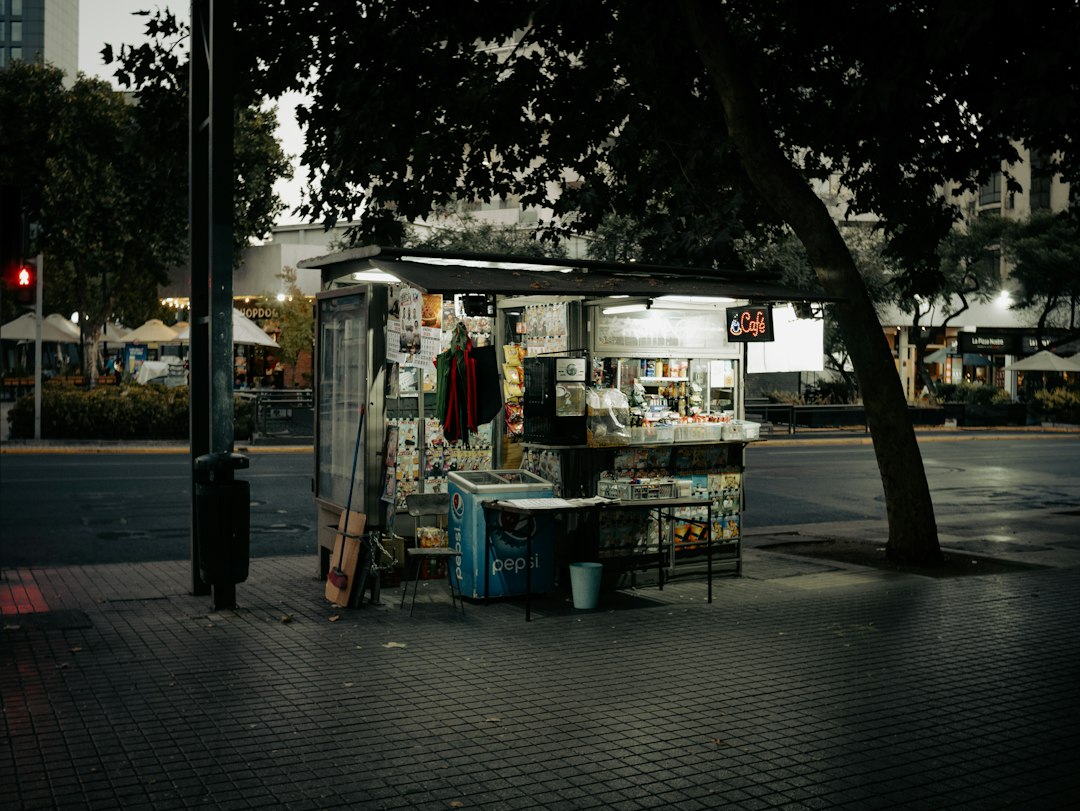
The slow travel guide: principles and mindset
Slow travel is a commitment to fewer moves, longer stays, and richer days. It centers attention on a single region or city, uses simple routines to anchor the trip, and recognizes that unplanned time is often the highlight. The goal is not to see everything; it is to notice something deeply. A slower pace makes room for early-morning markets, neighbors who wave each afternoon, and the bakery that knows your order by day four.
To begin, define intent. Ask what you want to learn or feel by the end of the journey. Are you hoping to improve a language, cook seasonal dishes, sketch urban scenes, volunteer, or simply rest without guilt. Write three or four sentences about why this trip matters and what “meaningful” will look like for you. That short manifesto helps you say no to distractions that do not fit your purpose. Many travelers use a simple routine to create stability: a morning walk, two hours of creative work, a mid-day museum or park visit, and dinner at home three nights per week.
Finally, shape expectations. You may not visit every must-see attraction. You might skip a famous viewpoint if the weather is poor and instead talk with the grocer for twenty minutes. This is not failure. It is choosing depth. The modest promise of slow travel is that daily life—shopping, cooking, wandering—becomes the experience, and the early anxiety to accomplish everything fades into a steady confidence that you are exactly where you need to be.
Choosing destinations and seasonality for long stays
Destination choice sets the tone. Instead of countries, think in regions or micro-regions. One valley with a dozen villages can be as varied as a nation. Ask which places support your intent. If you seek language immersion, choose a small or mid-size city with community classes and a strong local culture. If your focus is nature, identify national parks, coastal trails, or wetlands that offer long-stay passes and reliable public transport.
Season matters more when you slow down. A shoulder season—late spring or early fall—can balance mild weather and lighter crowds, often with better apartment availability. Longer stays also make micro-climate differences noticeable. A high plateau might be dry when a bay town is foggy. Research average rainfall and daylight hours, not only temperature. Pay attention to holidays and festivals. A town during an annual harvest fair offers endless casual encounters, while the same place in deep winter may feel sleepy.
Evaluate practicalities. Stable internet, walkable neighborhoods, access to markets, transit frequency, and healthcare availability all matter for long stays. Explore town maps for parks and libraries. Read recent reviews for common apartment buildings to check for noise or construction. Look at street-view routes between the rental and the bus or tram stops. If you plan to cook often, examine market locations and hours. Balance charm with convenience: a postcard hillside cottage may be beautiful but impractical if it is a forty-minute walk from groceries.
- Shortlist three regions based on intent, season, and logistics.
- List pros and cons for each: transit, markets, walking routes, weather, community spaces.
- Decide on one base, with one optional side-trip if time and budget allow.
Building a realistic long-stay itinerary
The most common error is overstuffing. Design a schedule that breathes. A useful rule: if you are staying four weeks, plan only four anchor experiences (one per week). These can be a cooking class series, a rail day-trip, a local festival, or a hiking route. Everything else flows around these anchors as mood and weather allow. In practice, a week might include two slow days at home, two errand or workdays, one museum or lecture, one long walk, and one social evening.
Begin with your arrival and departure days. Each has limited energy. Make early check-in arrangements when possible. On day one, prioritize food basics and a neighborhood walk. On day two, handle transit cards and a library card if the city allows visitor access. Sketch a two-week arc first, then mirror it for the second half. Repeat what you loved; adjust what did not work.
Try this planning template:
- Weekly anchors: one class or series, one cultural visit, one nature day, one social event.
- Daily rhythm: wake, 20–30 minutes of movement, morning coffee shop or home breakfast, late-morning focus block, mid-day errand or stroll, late-afternoon rest, evening meal.
- Decision windows: choose one small decision to delay each day (for example, where to read in the afternoon) to keep the plan flexible.
Add gentle accountability. Use a simple tracker to record three things you noticed each day. Over a month, you will see a record of colors, conversations, and small triumphs. That log becomes part of the journey.
Budget planning and money strategies
Long stays benefit from front-loaded budgeting. After flights or rail passes, accommodation is likely the largest expense. Build your budget around a weekly rate rather than nightly rates. Many hosts offer discounts for 28-day stays. Add line items for local transit, groceries, cafes, museum passes, and contingencies. A common pattern for two people is 50–60 percent of spending on rent, 20–25 percent on food, and the remainder on transit, culture, and buffer.
Consider money logistics. Use a fee-free debit card and a backup card, and keep digital copies of important documents in a secure cloud folder. Notify your bank of travel plans if required. For a multi-month journey, evaluate whether a regional rail pass or city transit card will pay for itself. Ask whether a museum pass includes reciprocal entry in nearby towns. Many slow travelers cook most meals at home and redirect savings to occasional splurges: a concert, a special tasting menu, a rental bicycle for a week.
To keep budgets clear, separate fixed and variable costs:
- Fixed: accommodation, long-distance transport, insurance, mobile data.
- Variable: groceries, cafes, transit top-ups, entry fees, classes, tips.
- Buffer: 10–15 percent of the total for unexpected needs or opportunities.
Track spending weekly, not daily, to reduce friction. A weekly review catches drift without turning the trip into a spreadsheet exercise. Make a short list of price anchors: a standard coffee, a loaf of bread, a transit fare, a museum ticket. These help you judge value quickly without converting every price in your head.
Packing light for long stays
A long stay does not require a large suitcase. It requires a tight system. Aim for a carry-on and a small personal bag if your climate allows. Build a capsule wardrobe around two or three neutral colors and a single accent. Choose fabrics that wash easily and dry overnight. Pack fewer items than you think—laundry every five days often balances weight and convenience better than carrying extra outfits.
Consider this capsule:
- 3 tops for warm days, 2 long-sleeve layers, 1 lightweight sweater or fleece
- 2 bottoms (one casual, one slightly dressy), 1 pair of comfortable walking shorts or a skirt
- 1 packable rain layer, 1 warm layer (depending on season)
- Underlayers for 5–6 days, sleepwear, 2 scarves or hats as needed
- 1 pair of versatile shoes for walking, 1 pair of neat casual shoes, and optional sandals
- Compact toiletries, a small first-aid pouch, and a microfiber towel
Use packing cubes to divide clothing by context: everyday, exercise, dressy. Put a small laundry line and a few clothespins in your kit. For kitchen-friendly stays, bring a compact knife guard and a small spice kit if checked luggage allows; otherwise plan to buy basics locally and share with the next tenant. Keep a mini repair kit: needle, thread, two safety pins, and a spare button. Make your day bag light and modular with a flat tote for market runs.
Electronics deserve discipline. Pack only what you will use twice a week or more. For most travelers: a phone, earbuds, a compact e-reader, a small laptop or tablet, universal adapter, and a short multi-head charging cable. Label cables. Keep a spare copy of your SIM pin and device passcodes in a secure, encrypted note. Cushion all this with a single pouch that fits in your personal item so you are never tempted to scatter gear in pockets and drawers.
Accommodation choices that fit a slow rhythm
Your home base dictates daily ease. Apartments with simple kitchens, comfortable chairs, good light, and cross-breezes will matter more than a dramatic view. Read listings for the practical features: a full-size table, a washing machine or a nearby laundromat, a quiet street, a supermarket within ten minutes, and a neighborly feel. Reviewers often mention noise and light levels—both useful for long stays.
Consider alternatives to standard rentals. House-sitting can be aligned with slow travel if you are comfortable caring for pets or gardens. Co-living spaces sometimes offer weekly rates with shared kitchens and libraries. Some travelers rotate between a modest apartment and budget guesthouses on shorter side-trips. If you plan to work during the trip, map nearby coworking spaces and cafes with reliable seating and outlets.
Before booking, write a short checklist of non-negotiables and nice-to-haves. Non-negotiables might include dark curtains, a fan or heater, a desk-height table, and no moldy smell. Nice-to-haves could be a balcony, a top-floor view, or a bakery on the corner. Send one polite message to hosts asking any questions the listing does not answer. Friendly hosts often volunteer tips about market days, waste collection schedules, or festival weeks—the kind of details that stabilize your routines.
Transport modes: trains, buses, bikes, and your feet
Slow travel favors rail and bus networks, bikes, and walking. A single base with day-trips reduces the churn of packing and unpacking while expanding your radius comfortably. Learn the local transit map and fare rules early. Load city cards or download mobile ticket apps, then do a practice run on a short route to remove first-use anxiety.
Trains and regional buses become your arteries for gentle exploration. Identify three day-trip routes within 60–90 minutes of your base. Choose one market town, one nature trailhead, and one historic site. Pack a small day-trip kit: water bottle, compact rain layer, sunscreen, hat, snacks, and a paperback or e-reader for delays. For city days, combine transit with long walks. An urban slow day might include a morning tram to a neighborhood with a weekly market, a mile-long walk through parks and streets, and a late-afternoon bus home.
Cycling can extend your reach. Many cities offer short-term bike shares; some regions have rail-with-bike options. If you cycle, learn local rules, signal clearly, and prefer separated paths when available. Walking remains the core. Carry comfortable shoes, break in socks before the trip, and keep a tiny blister kit in your day bag. Accept that your pace will sometimes be determined by conversations and serendipity rather than distance. That is part of the design.
Eating, groceries, cooking, and everyday culture
Food becomes a teacher when you stay put. Find the weekly market schedule on the first day and visit without a list. Stroll once to see what is in season; return to buy. Ask vendors how they cook a product. If you do not share a language, gestures and smiles travel far. For the first week, cook two or three simple meals repeatedly—pasta with market vegetables, a big salad, a stew—so you stabilize costs and build kitchen rhythm. Then add variety as you gain confidence with local produce and pantry items.
Alternate home meals with simple restaurant routines. Choose one cafe as your morning spot and one neighborhood place for early dinners. Regularity builds relationships, and staff will often steer you toward seasonal specials. If you want to learn more, enroll in a short cooking class or watch a street vendor prepare a dish while you order something else. Keep a small notebook of flavors and techniques you loved; it becomes a souvenir you can cook later.
Eating slowly helps you see how the town works. Grocery hours hint at daily life. A Wednesday market explains why buses are full that morning. A queue at a bakery may mean a special bread baked only on certain days. When you mimic local patterns, you do not simply blend in—you participate. That participation is a subtle form of respect that steadily widens your circle of chance conversations.
Social connection, language, and learning
Slow travel thrives on repeated contact. Choose community spaces that match your interests: libraries, swim pools, maker labs, music venues, places of worship, hiking clubs. Scan event boards and city calendars. Join one recurring class or meet-up, not five. It is easier to deepen one thread than to manage many shallow ones. If the local language is new to you, learn ten phrases and amplify with smiles. Keep a note of names you learn and use them the next time you meet.
Volunteer opportunities can fit slow travel when the time commitment is modest and the organization is reputable. Ask hosts or librarians for suggestions. Be mindful of responsibilities; the point is steady presence, not heroics. Creative learning fits as well. Sketching, photography walks, or journaling each afternoon are gentle ways to strengthen attention. Many travelers choose a project to anchor the trip: a zine, a short audio diary, a family recipe book collected from conversations. Projects turn accumulated moments into something you can share later.
As friendships form, keep boundaries clear. You are a guest. Accept hospitality with thanks and reciprocate within your means. Share photos afterward if people request them. If you are asked often about your home, carry a small printed map or a few photos on your phone. These small tools make conversations easier and demonstrate care for the exchange.
Safety, health basics, and digital hygiene
A slow rhythm supports awareness. Walk the same routes a few times at different hours to understand patterns. Save local emergency numbers and the address of your accommodation in your phone and in a paper wallet. Keep one card hidden in your day bag and another in your apartment. Lock doors and windows even when you are upstairs. Use a small crossbody bag that zips. Compact flashlights and whistle keychains weigh little and can be reassuring.
For everyday health basics, pace and rest are powerful. Take breaks. Drink water. Wear sun protection and weather-appropriate layers. Identify a nearby clinic or pharmacy in advance and store directions offline. If you have prescriptions, carry copies and maintain a buffer so you are not forced to rush. Research any destination-specific guidance using official public health or government websites. When questions arise, consult a qualified professional on site. If you feel stretched, a quiet afternoon with a book may be the best decision of the week.
Protect your digital life. Use a password manager and two-factor authentication, avoid public Wi-Fi logins without a VPN, and keep your phone number private when possible. Store scans of documents in an encrypted cloud folder and share copies only when necessary. Keep separate email addresses for travel bookings and personal correspondence. Back up photos regularly to prevent loss. The calmer your basic systems, the easier it is to stay present while you wander.
Tools, apps, and planning templates
Digital tools can support a slow rhythm without dominating it. Choose a small stack and stop there. For maps, download offline files for your region and favorite neighborhoods. Mark groceries, pharmacies, parks, transit stops, libraries, and cafes. For transit, install the city or national rail app and save typical routes as favorites. For budgeting, select one simple app or spreadsheet with weekly review reminders. For journaling, use paper or a notes app—whichever you will actually use daily.
Try this minimal toolkit:
- Maps and transit: offline maps, national rail or bus app, bike-share app if available.
- Language: a phrase app with offline packs, plus a small paper phrase card you can show quickly.
- Planning: calendar with recurring anchors, a lightweight checklist manager, and an alarm for weekly budget review.
- Documentation: password manager, cloud storage, and secure backups for photos and scans.
Paper tools still shine. A pocket notebook captures names, bus times, and recipes more elegantly than a phone. A simple checklist on the back page labeled “Sunday reset” can remember chores: laundry, trash day, fridge tidy, desk clear, and route planning for the week’s anchor. Templates keep you from reinventing the wheel; they also ensure you leave space for the moments you cannot plan.
Sample seven-day slow plan from a single base
Imagine you are based in a mid-size coastal city with a tram line, a central market, and a few regional rail routes. This sample shows how a week might feel without urgency.
- Day 1: arrival, groceries, neighborhood walk, early dinner at home, early bedtime.
- Day 2: morning cafe and language practice, library card, transit card top-up, afternoon in a park, simple home cooking.
- Day 3: market morning, prepare a favorite dish, late-afternoon museum, evening call with family.
- Day 4: rail day-trip to a nearby town, picnic by the river, return by dusk.
- Day 5: rest, laundry, reading, evening meetup or small concert.
- Day 6: long coastal walk, stop for snacks, journal session, early night.
- Day 7: brunch at a neighborhood spot, photo walk, plan next week’s anchors.
Notice the rhythm: two true recovery days, two administration days that carry the trip forward, two exploration days, and one social or cultural evening. Over four weeks, swap in new anchors as you discover them. Repeat what felt nourishing and retire anything that felt forced. That iteration is the quiet power of long stays.
Common pitfalls and gentle corrections
Even with good intentions, speed can creep back. Here are common pitfalls and the antidotes that most travelers find helpful.
- Overbooking: If the calendar fills, remove two items immediately and defer them. Keep one day per week blank.
- Chasing must-sees: Choose one attraction per week. If queues and crowds drain you, replace a landmark with a neighborhood walk and a pastry you eat slowly on a bench.
- Too much screen time: Set one daily window for messages. Put the phone away during meals and walks. Use a basic camera or the phone’s airplane mode for photos.
- Budget drift: Perform a 15-minute weekly review. If you overspend one week, rebalance the next with home cooking and library days.
- Isolation: Pick one recurring group activity. A single thread of community—choir, swimming, volunteering—often unlocks friendly conversations in every other part of life.
Slow travel is not a moral scale. Some weeks will be busier than others. The correction is simple: reduce moves, repeat routines, and let yourself notice the small things again. A town square at dusk teaches more than a list of sights, and a conversation with a neighbor outlasts a checklist. The point is not perfection, it is presence.
For more ideas on thoughtful journeys and long-stay life, explore our Travel and Adventure stories at Lifeinsy. You will find itineraries, packing approaches, and on-the-ground experiences that pair well with everything in this guide.