If you’re looking for solo travel advice, start with an easy destination where transit is simple and the language feels familiar, book your first 48 hours (lodging plus airport-to-hotel transport), and share your plan with someone at home so they know where you’ll be.
Next, pack light, keep digital backups of documents, install an eSIM or enable international data so you’re always connected, and schedule one social activity per day to ease loneliness while keeping safety top of mind—do these basics and your trip gets much smoother.
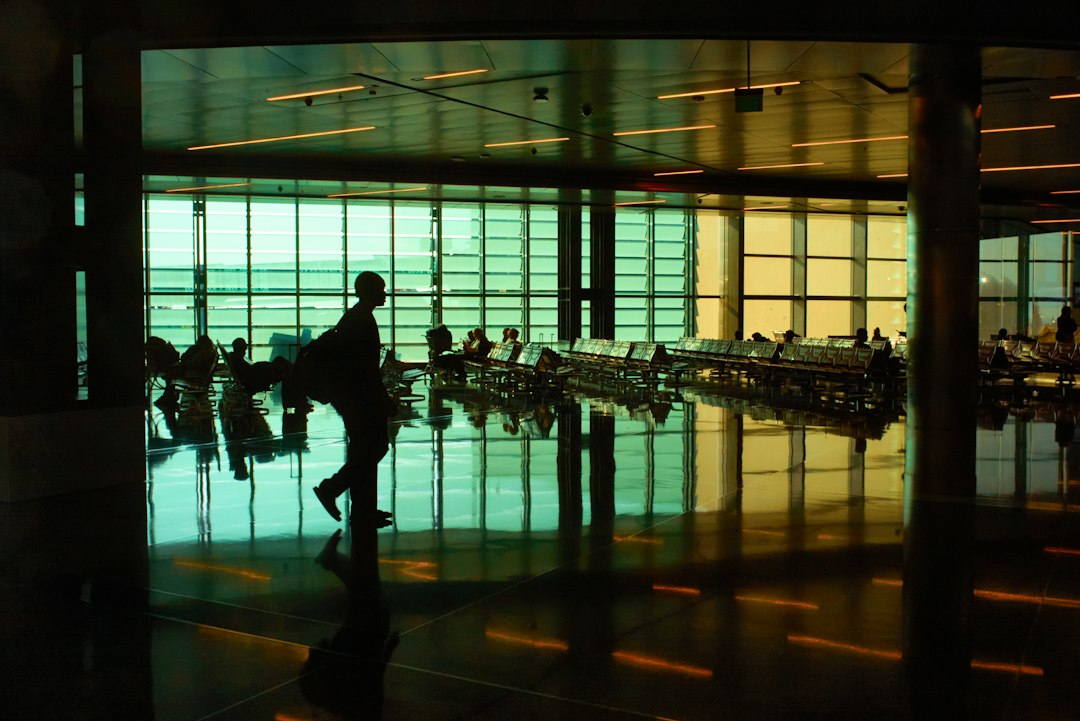
Solo travel advice: a 7-step quick-start plan (read this first)
Here’s a simple sequence that removes overwhelm and gets you out the door.
- Pick an easy-first destination. Favor places with reliable public transit, walkable cores, welcoming tourism infrastructure, and a language you can read on signs. A nearby city for a weekend or a direct-flight hub abroad both work.
- Do a 5-minute budget check. Note that solo rooms mean you pay the full nightly rate and some tours add single supplements. Save by traveling off-season and booking private rooms in hostels or guesthouses rather than whole apartments.
- Lock in the first 48 hours. Book your first two nights and your airport-to-lodging transfer (train, shuttle, or official taxi/ride-hail pickup zone). Screenshot the hotel address and directions in both English and the local language.
- Follow a simple airport-day playbook. Check in online, arrive early, keep documents accessible, and have a clear sequence from landing to your room (immigration, data/ATM, transit card, message home).
- Stay connected and secure. Set up an eSIM or roaming before departure, add a lock screen PIN, and enable device tracking. Store offline copies of passport, bookings, and directions.
- Beat loneliness with daily social anchors. Reserve one social activity per day—a walking tour, cooking class, coworking day, or museum audio tour followed by a café stop—to create easy conversation points and gentle structure.
- Use a short timeline to stay calm. Work backward from your dates. A T-4-weeks to day-of checklist keeps tasks bite-sized and saves you from last-minute scrambles.
If you want a deeper dive into mindset and safety, pair this guide with our overview on benefits and essential habits in Uncover the Benefits of Solo Travel and Staying Safe Abroad. For a full beginner planning walk-through, see Solo Travel Tips for Beginners: How to Plan a First Trip with Confidence.
Choose the right first destination without guesswork
When you pick where to go, you’re really choosing your learning curve. Aim for friction-light so you can focus on enjoying the experience rather than solving logistics puzzles.
- Language familiarity: Places where you can read transit maps and basic signs reduce stress. Tourist areas in Portugal, Ireland, Singapore, Canada, and Japan’s major cities tend to be friendly to English speakers.
- Transit quality and walkability: Cities with metro/tram systems and dense cores (think Lisbon, Dublin, Tokyo neighborhoods, Vancouver) are easier for first-timers.
- Daylight hours and seasonality: Longer daylight makes navigation and evening walks feel easier. Consider shoulder seasons for fewer crowds and lower costs.
- Tourism infrastructure: Clear airport signage, visitor centers, and reliable ride-hail or transit cards (like Suica in Japan or Leap in Dublin) smooth your arrival.
Match the destination to your style:
- City sightseeing: Museums, food, and neighborhoods in a compact core.
- Nature-forward: National parks near a base town with shuttles and marked trails.
- Retreat: One small town or beach area with walks, cafés, and a slower pace.
Decide with a quick matrix: a close-to-home weekend (cheap, low logistics) versus an international city with a direct flight (bigger step, still simple if infrastructure is strong). Before booking, confirm entry basics like visa-free status or visa on arrival and glance at arrival logistics from airport to city center. If you enjoy slower journeys and deeper stays, you might also like our slow travel guide for 2026.
Safety and confidence basics that actually work
Solo travel doesn’t require being fearless; it asks for simple routines you can repeat in any city.
- Share your plan: Pick one trusted contact at home, share your itinerary and lodging details, and agree on a check-in cadence (for example, a quick message after you arrive and after your first night).
- Delay the live posts: Enjoy your meals, tours, and sunsets, but post them after you’ve left the location.
- Trust your instincts and set boundaries: If a conversation or street feels off, change direction or say, “I’m meeting someone now. Have a good day.” Keep personal details vague.
- Move with purpose: Choose well-lit routes, start days earlier, and use busy areas for ATMs or meals.
- Blend freedom with social time: Join walking tours, classes, or day trips to meet others without giving up your flexibility.
Scripts can help: If someone invites you somewhere you don’t want to go, try, “Thanks, I already have plans.” If a question feels too personal, “I don’t share that when I travel” is polite and firm.
Pack light, power up, and back up
One carry-on and a small day bag keep you mobile on trains, buses, and stairs. Pack items you can re-wear and layer rather than outfits for single uses.
- Comfort first: Shoes you can walk in all day, a light jacket, and versatile layers beat bulky items.
- Power and connectivity: A universal adapter, compact power bank, and two charging cables (one spare). Install and activate an eSIM or set up roaming at home. Test it by toggling data off and on in airplane mode to confirm the setup is saved.
- Backups that live offline: PDF or screenshots of your passport, insurance details, bookings, and directions. Email them to yourself and your trusted contact, and store copies in a secure notes app.
- Most-forgotten items to double-check: Chargers/cables, essential medications, a spare payment card kept separate from your wallet, and a tiny first-aid pouch (bandages, pain reliever, blister care).
For more ways to keep costs down while packing lean, see Save Big on Your Travels: Tips & Tricks to Limit Expenses.
Eating, meeting, and enjoying time alone
Dining solo and meeting people feel much easier with a few habits and scripts.
- Ease into dining alone: Choose bar or counter seating where staff can chat, bring a small book or journal, or dine during off-peak times for quicker service and lower pressure.
- Meet people naturally: Free walking tours, cooking classes, language exchanges, coworking day passes, and hostel common spaces are low-friction ways to connect.
- Photos of yourself: Use a mini-tripod or self-timer, ask staff or fellow travelers, or book a short photo walk if available.
- Daily rhythm that balances energy: Mornings for exploration, mid-day rest, and a late-afternoon social anchor such as a tour, class, or café stop near a museum or market.
Simple conversation starters: “Is this seat taken?”, “What did you like most on the tour?”, or “I’m trying local dishes—what would you pick?” Polite boundaries: “I’m having some quiet time, but thanks.”
Airports and arrivals for first-time solo travelers
Here’s a clear picture of what to expect from departure to check-in at your lodging, plus a contingency plan if things change.
- Departure steps: Check in online, verify your bag fits the rules, pack your liquids and tech for security, and leave buffer time (usually 2 hours domestic, 3 hours international, or your airline’s guidance).
- On board: Fill any arrival forms, review your arrival steps, set phone to airplane mode and charge it.
- Arrival steps: Immigration, then customs if required, then confirm your data connection or visit an ATM. Buy a transit card or use the official ride-hail pickup point. Message your trusted contact after you’re in the car or on the train. Check into lodging, hydrate, grab a simple meal, and take a short neighborhood walk to reset your body clock.
- Offline readiness: Save key phrases, maps, and your hotel address in the local language. Screenshots beat loading screens.
Airport day-of solo traveler checklist
- T-48 to T-24 hours
- Check in online and choose your seat.
- Confirm baggage rules (size, weight, and fees).
- Download offline maps and tickets.
- Install or activate your eSIM/roaming and run a quick data test.
- Screenshot your hotel address and directions (both languages if possible).
- Departure day (home to gate)
- Leave with buffer time (domestic ~2 hours, international ~3 hours or per airline guidance).
- Organize liquids and tech for security screening.
- Keep passport and boarding pass accessible.
- Charge your phone and power bank.
- On board
- Complete arrival card if required.
- Review arrival steps and transit options to your lodging.
- Set phone to airplane mode and top up charge.
- After landing
- Immigration and customs.
- Confirm your eSIM works or use an ATM for local currency.
- Buy a transit card or use an official taxi or ride-hail stand.
- Message your trusted contact with “Landed, en route.”
- Check in, eat something simple, hydrate, take a short neighborhood walk.
- If delayed or rerouted
- Rebook your first night and transfer if needed (most properties can move your check-in).
- Notify your lodging and your trusted contact.
- Keep receipts and screenshots for follow-up.
Planning timeline at a glance (T-4 weeks to day-of)
- T-4 weeks: Choose destination and dates, scan entry rules, price flights and lodging, outline budget. Decide on one or two daily social anchors you might book.
- T-3 weeks: Book flights and the first two nights, shortlist backup lodgings in the same area, draft a simple must-see list.
- T-2 weeks: Order an eSIM or confirm roaming, set up travel cards and a spare payment method, copy backup documents to your phone and cloud.
- T-1 week: Confirm airport transport options, save offline maps, check weather, finalize packing list.
- T-48 hours: Online check-in, seat selection, re-check baggage rules, screenshot hotel info and directions.
- Day-of: Leave early, keep essentials handy, hydrate, and follow your airport-day checklist.
If you love structure, our step-by-step itinerary planner can help you sequence days without cramming them. Explore Travel itinerary planning: a complete step-by-step guide.
Where to sleep: accommodation choices compared
Read recent reviews, check late check-in instructions, and prioritize location and safety over a marginally nicer room far from transit. Consider private rooms in social accommodations to split the difference between privacy and community.
| Type | Typical nightly cost (varies by region) | Privacy | Social vibe | Best for | Watch for |
|---|---|---|---|---|---|
| Hostel (dorm or private) | Dorms can be budget-friendly; private rooms often mid-range compared with hotels | Low (dorm) to Medium (private) | High | Meeting people, central locations | Noise in dorms; check locker size and security |
| Budget hotel | Moderate, often cheaper than large chains in city centers | High | Low | Rest and predictability | Small rooms; confirm 24/7 reception or late entry codes |
| Homestay/guesthouse | Varies; often good value outside the most touristy cores | Medium to High | Medium | Local tips and light social contact | Shared bathrooms; read reviews for cleanliness and location |
| Serviced apartment | Often higher nightly cost but can make sense for longer stays | High | Low | Cooking meals, longer stays | Check location walkability and self check-in details |
When reading reviews, scan for comments about neighborhood lighting, transit access, and staff responsiveness. For dining alone, properties with an on-site café or nearby counters/bars make first nights easier.
FAQ: common solo travel questions, answered
How do I travel alone and not feel lonely?
Plan one social anchor per day: a free walking tour, class, coworking day, or a café hour after a museum visit. Message a friend at home each evening with one highlight. Sit at counters or communal tables, and use simple openers like, “What would you order here?” Join day trips for built-in companionship while keeping evenings free.
What is the most forgotten item when traveling?
Chargers and cables are the classic oversight, followed by essential medications and a spare payment card. Pack a small pouch with these items and place it on top of your bag. Add a compact first-aid pouch and a copy of your prescription information in your secure notes app.
Is $20,000 enough to travel the world?
It depends on pace, regions, and comfort level. Slow travel with longer stays often lowers nightly costs, especially in parts of Southeast Asia or Latin America, while fast multi-country trips through high-cost regions increase expenses. Build your own estimate: list expected nightly lodging ranges, average daily food, intercity transport, activities, and a monthly buffer. Adjust the route if the total exceeds your target. Longer stays and cooking some meals can reduce expenses without sacrificing experience.
What are the 10 riskiest countries for solo travel?
Risk changes over time and by region within a country, so static top-10 lists can mislead. Instead, check official advisories before you book and again right before departure, and review local news for neighborhoods. Look at factors like petty theft hot spots, common scams, transit hours, and whether your arrival is after dark. Then shape your plan: choose busy routes, earlier start times, well-reviewed lodgings, and legit transport from official stands or apps.
What are the best first-time solo travel destinations?
Cities with easy transit, English-friendly signage, and walkable cores are great starts. Think Lisbon, Dublin, Vancouver, and major Tokyo neighborhoods. Choose places with direct flights if possible, and aim for areas where you can build days around walkable clusters of sights, parks, and cafés. Start closer to home if you want to test your setup on a short weekend.
What should I expect at the airport when traveling alone for the first time?
Expect a predictable sequence: check in (often online), drop a bag if needed, security screening, then the gate. On arrival, you’ll go through immigration and customs (as applicable), connect to data or use an ATM, and travel to your lodging via transit or official ride-hail/taxi. Follow the checklist above and you’ll move through each step with fewer surprises.
Realistic solo costs and easy ways to save
Solo travelers often pay the full price for rooms and may see single supplements on cruises or select tours. Balance it out by booking private rooms in hostels or guesthouses, traveling outside peak months, and joining group activities where per-person costs are lower. Eat one sit-down meal per day and make the other simple: bakery breakfast, market lunch, or a grocery picnic. Travel slower between cities to cut transport costs and stress.
Want a deeper dive into pacing and mindset? Read our take on meaningful, longer stays in Slow travel in Europe.
Solo travel is a muscle you build. Pick an easy-first destination, book the first 48 hours, keep your phone powered and your plans simple, and layer in one social anchor per day. The confidence follows quickly after that first smooth arrival.