If you typed croatia split vs dubrovnik, here’s the quick answer: pick Split for a lively, budget-friendlier base with easy island hopping, more beaches, and better nightlife. Pick Dubrovnik for the dramatic walled Old Town, romantic views, and iconic sightseeing, and be ready for higher prices and heavier crowds. If you have 5–7 days, do both: the two are 3–4.5 hours apart by bus or car via the Pelješac Bridge (about €18–30) and 4–5 hours by seasonal catamaran (roughly €45–60).
Choose based on your travel month, pace, and interests. Split’s waterfront is flatter and better for beach days, families, and longer stays on a budget. Dubrovnik concentrates the wow factor into a compact, hilly core with polished stone streets and stairs, perfect for a special weekend, honeymoon vibes, and postcard photos. Below you’ll find side-by-side differences, costs, beaches, day trips, how to travel between them, and sample itineraries that fit real schedules.
Split vs Dubrovnik: the quick answer
Split suits travelers who want a lived-in Croatian city with a Roman heart, a long waterfront promenade (the Riva), city beaches within a 10–25 minute walk or quick bus ride, and frequent ferries to Hvar, Brač, Vis and beyond. You’ll typically spend less on rooms and meals than in Dubrovnik and find more casual bars, beach clubs, and student energy from spring to early fall.
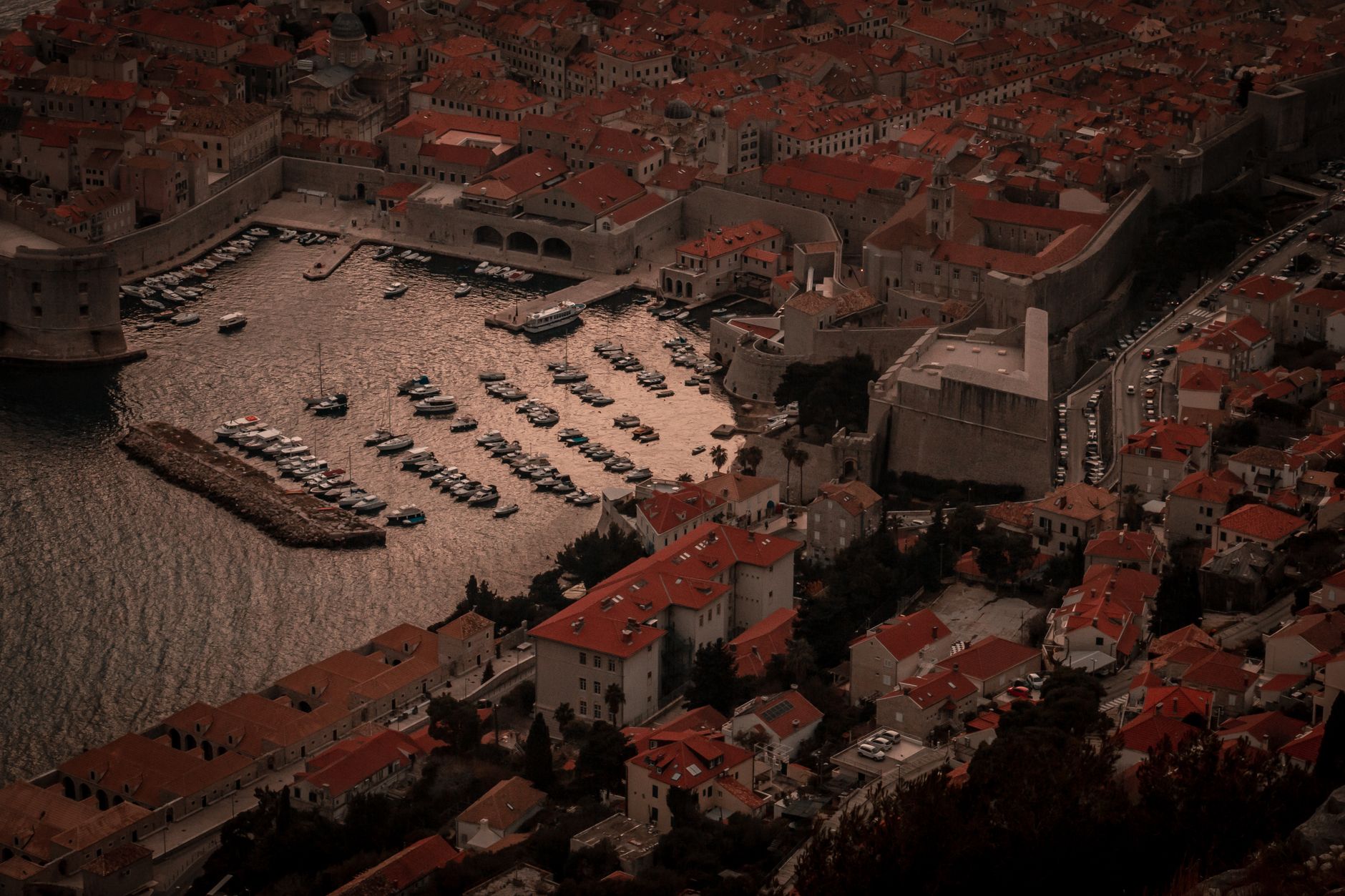
Dubrovnik delivers the single most iconic urban view in Croatia: medieval walls wrapping a terracotta Old Town that sits on rock above the sea. It’s compact and stunning, and cruise days get crowded. Prices trend higher for rooms, drinks on the promenade, and the city walls ticket, but that first sunset from the ramparts or Mount Srđ is hard to beat.
If you have a week, splitting time is realistic. Buses and self-drives now avoid the Bosnia border thanks to the Pelješac Bridge. Expect about 3–4.5 hours total door to door depending on traffic and stops. Seasonal catamarans run roughly 4–5 hours with sea views and no transfers. Book early in July–August.
Month matters. Late April–June and September–October are the sweet spots for both cities. July–August brings heat and crowds (especially in Dubrovnik’s Old Town), while November–March sees quieter streets, patchy ferry schedules, and shorter daylight.
Accessibility notes in brief: Dubrovnik has many stairs inside and around the Old Town, plus slick limestone underfoot after rain. Split’s core is more spread out and the Riva is flat; many beaches are pebbly, so water shoes help. Bačvice is sandy-ish and easier on little feet and strollers.
Croatia Split vs Dubrovnik: key differences at a glance
| Category | Split – what to expect | Dubrovnik – what to expect | Best for | Numbers (time/cost) |
|---|---|---|---|---|
| Vibe | Lived-in city built around Diocletian’s Palace, student energy, beachy pace | Cinematic walled town, polished stone lanes, romantic sunsets | Split: longer stays, casual nights; Dubrovnik: short wow trips | Old Town size: Split core wider; Dubrovnik denser and hillier |
| Beaches | Many city beaches (Bačvice, Kaštelet, Kašjuni, Žnjan, Bene) | Fewer but scenic pebbly spots (Banje, Sveti Jakov, Lapad) | Split for beach variety; Dubrovnik for views by the water | Most beaches pebble; Bačvice sandy-ish |
| Costs | Generally cheaper rooms, coffee, beer | Higher room and bar prices in season | Split for value | Walls ticket ~€35; Split cellars €8–10; combo cathedral tickets €10–15 |
| Day trips | Hvar, Brač (Bol), Vis and Blue Cave; Krka, Plitvice | Lokrum, Mljet, Korčula; Kotor (Montenegro), Mostar (Bosnia) | Split for islands; Dubrovnik for cross-border scenery | Krka ~1–1.5h; Kotor ~2–3h+ border time |
| Nightlife | Beach bars, clubs, summer festivals | Cocktail bars, wine bars, mellow after dinner | Split for late nights | Last ferries back from islands vary by route |
| Logistics | SPU airport 30–40 min from center | DBV airport 30–40 min from Old Town/Lapad | Both are easy gateways | Split↔Dubrovnik: 3–4.5h bus/drive; 4–5h catamaran |
What it costs: hotels, food, tickets, transport
Both cities price dynamically by season and location, but Split generally saves you 10–30 percent across rooms and casual dining, especially outside July–August.
| Item | Split typical price | Dubrovnik typical price | Notes |
|---|---|---|---|
| Midrange double, shoulder (May/Oct) | €90–140 | €130–200 | Old Town views in Dubrovnik push higher |
| Midrange double, peak (Jul–Aug) | €150–250 | €220–380 | Book early for sea views |
| Espresso | €1.50–2.20 | €2.00–3.00 | Promenade seating costs more |
| 0.5L draft beer | €3–5 | €4–7 | Craft bars and hotel terraces trend higher |
| Dinner for two (midrange) | €40–70 | €60–100 | Seafood and wine add up quickly |
| Dubrovnik City Walls ticket | — | ~€35 | Check official site for current price |
| Split Palace cellars | €8–10 | — | Cathedral/temple combos ~€10–15 |
| Airport bus → center | €8–10 (30–40 min) | €10–12 (30–40 min) | Taxi/Uber: Split €25–35; Dubrovnik €30–40 |
| Split↔Dubrovnik bus | €18–30 one way | 3–4.5h via Pelješac Bridge | |
| Split↔Dubrovnik catamaran | €45–60 one way | 4–5h; seasonal schedules | |
If you travel with a flexible, slower style, you’ll stretch your budget further in Split. For planning a longer stay and pacing, see the Slow travel in Europe guide and the Slow Travel Itinerary Planning guide. If you’re building day-by-day routes, the step-by-step itinerary planner is helpful.
Beaches and island time
Split’s beaches are part of daily life. Bačvice is sandy-ish and shallow, great for kids and casual swims. West along Marjan hill you’ll find pebbly Kašjuni and Kaštelet with clear water and a backdrop of pines. Žnjan, southeast, has long pebbly stretches with beach clubs and rentals. Bene, tucked into Marjan, offers shade and a very local feel. Expect pebbles and bring water shoes; facilities and beach bars are common in summer.
Dubrovnik’s beaches are fewer but photogenic, with the Old Town as a stage. Banje Beach sits just outside the walls with calm water on still days and umbrella service. Sveti Jakov is a lovely cove with steps down and stellar views back to the city. Lapad Bay offers a family-friendly promenade, gentle entry, and many cafes. The water can be choppy during wind shifts; mornings are often calmer.
Island hopping from Split is easy and frequent. Ferries and fast catamarans run to Hvar (vibes and nightlife), Brač (Bol’s Zlatni Rat beach), and Vis (Blue Cave tours from nearby Biševo). Organized day trips to Krka (about 1–1.5 hours by road) and Plitvice Lakes (about 2.5–3 hours) are common; self-driving or small-group tours give you more control over timing.
Island time from Dubrovnik leans scenic and serene. Lokrum Island, a 10-minute boat hop from the Old Port, is the easiest nature escape, with swimming spots, peacocks, and botanical gardens. Mljet National Park brings saltwater lakes, cycling and swimming in clear coves; fast boats usually take 1.5–2.5 hours one way depending on the route. Korčula Town charms with its mini-walled old town and wine country inland. Many visitors also add a day in Montenegro (Kotor Bay) or Bosnia and Herzegovina (Mostar and its bridge). Carry your passport for cross-border trips and allow extra time for border queues in high season.
Family-friendly water tips: look for sheltered coves, arrive early for shade, and carry reef shoes for pebbles and sea urchins. In both cities, the calmest water is usually in the morning before winds pick up; lifeguards are present at the most popular beaches during peak season.
Sights, history and views
Split grew around the 4th-century Diocletian’s Palace, where alleys, homes, and cafes weave through Roman walls. Don’t miss the Peristyle, the cathedral bell tower climb for city-and-sea views, and the subterranean cellars. Walk or cycle up Marjan for sunset lookouts and pine-scented paths; the Vidilica viewpoint is a classic.
Dubrovnik is pure drama. Walking the city walls is the signature experience; go early or late for softer light and fewer crowds. Take the Mount Srđ cable car or drive up for a sweeping view of the Old Town and islands. As you wander, you’ll recognize filming locations from popular series; even if you’re not into that, the architecture and sea backdrops deliver the same thrill.
Crowd and queue hacks for both cities: check cruise schedules, visit major sites early morning or after 4 pm, and book tickets online when possible. In Dubrovnik, consider walking the walls counterclockwise after 5 pm for lower sun angles on the sea side and cooler temperatures. In Split, duck into the palace cellars midday to escape heat, then climb the bell tower before closing when lines thin.
When to go: season, weather and crowds
Spring and fall are winning seasons for both cities. Expect daytime highs around 60–75°F (15–24°C) in April–May and September–October. Sea temperatures warm from the low 60s°F (16–18°C) in May to the low-to-mid 70s°F (22–24°C) by late June through September. July–August brings heat (often 85–95°F / 29–35°C), packed ferries, and peak hotel rates. Winter is calmer and cheaper; you’ll find Christmas markets and quiet lanes, but some tours and ferries run limited schedules and sea temperatures sit near 57–60°F (14–16°C).
| Month/season | Choose Split if… | Choose Dubrovnik if… | Crowd/weather note |
|---|---|---|---|
| Mar–Apr | You want lower prices, mild walks on Marjan, and a base for inland day trips | You want peaceful Old Town photos and don’t need daily island ferries | Cool evenings; some tours seasonal |
| May–Jun | You want beach time plus frequent ferries to Hvar/Brač | You want long golden hours on the walls and Lokrum picnics | Sweet spot before peak; sea warms in June |
| Jul–Aug | You want lively nightlife and many beach choices | You want iconic scenes and can handle crowds/heat with early starts | Peak rates; book ferries and rooms early |
| Sep–Oct | You want warm sea, softer light, and better hotel value | You want the walls with fewer ships and sunset cable car rides | Often the best overall balance |
| Nov–Feb | You want a quiet city break, museums, and coastal walks | You want moody lanes and viewpoints without lines | Limited ferries; chilly sea; festive lights in Dec |
Getting there and between them
Flights: Split Airport (SPU) and Dubrovnik Airport (DBV) both get seasonal nonstops from many European hubs plus year-round links via Zagreb and a few major gateways. In summer, low-cost carriers expand schedules; in shoulder months, expect fewer frequencies.
Airport to the center: Split’s airport shuttle bus and Dubrovnik’s shuttle each take about 30–40 minutes to reach the main bus station near the center (Split) or near Pile Gate/Gruž (Dubrovnik route options vary). Taxis and ride-hailing are widely available; fares typically run about €25–35 in Split and €30–40 in Dubrovnik depending on time and traffic.
Between Split and Dubrovnik by road: modern coaches run several times a day. Since the Pelješac Bridge opened, most services avoid the Bosnia border detour. Timings are about 3–4.5 hours; fares usually land around €18–30 one way. Self-driving is straightforward along the coastal highway; factor in photo stops and parking time on arrival.
By sea: seasonal catamarans and ferries connect in roughly 4–5 hours, often via island stops. Expect about €45–60 one way. Pros: sea breezes and zero road traffic. Cons: fewer daily runs in shoulder season, weather-related delays, and limited luggage space compared with a coach.
Which is easier to base in? Split’s ferry network and central bus/rail station cluster together by the port, making island days simple. Dubrovnik is end-of-line, so sea links fan outward but not northbound as frequently; it’s perfect for a focused base with a handful of high-impact day trips.
Sample itineraries and where to stay
Three days in Split: Day 1, explore Diocletian’s Palace, the Peristyle, cathedral bell tower, and Riva; swim at Bačvice before dinner. Day 2, ferry to Hvar or Brač for beaches and views; return for drinks on the Riva. Day 3, morning on Marjan (Vidilica viewpoint) with a dip at Kašjuni, then palace cellars and a late seafood lunch. If weather dips, consider Krka waterfalls instead of an island.
Three days in Dubrovnik: Day 1, Old Town wander, Rector’s Palace exterior, Franciscan monastery, harbor walk. Day 2, early wall walk, cable car to Mount Srđ, then afternoon at Banje or Sveti Jakov. Day 3, boat to Lokrum for swims and shade; sunset drinks back in town. If you’re keen on a road day, swap Lokrum for a guided trip to Kotor Bay or Mostar.
Five to seven days for both: Start in Split (3–4 nights) for a city + island mix, then transfer to Dubrovnik (2–3 nights) for the walls and views. Travel midday to dodge hotel check-in/out gaps. If you want a beachy breather in between, add a night on Korčula or Mljet to break the journey.
Where to stay in Split: Inside or just outside Diocletian’s Palace for atmosphere and short walks; Varoš for stone lanes and local feel; Bačvice or Žnjan if you want to be steps from the beach. Parking is tight near the palace; beach zones and Spinut/Meje can be easier for drivers.
Where to stay in Dubrovnik: Old Town for maximum charm and proximity (expect stairs); Ploče for sea views and easy wall access; Lapad/Gruž for better value, flatter promenades, and simpler parking while staying a bus ride from the Old Town.
FAQs: croatia split vs dubrovnik
- What is the difference between Split and Dubrovnik? Split is a larger, lived-in city with beaches and island links; Dubrovnik is a compact, dramatic walled town focused on sightseeing and views.
- Which city is prettiest? Dubrovnik wins for pure cinematic drama; Split wins for Roman history woven into daily life and a broader set of beaches.
- How many days do I need? Split 2–3 full days, Dubrovnik 1.5–2. Add more if you plan several day trips or a slower pace.
- Is Split or Dubrovnik better for beaches? Split. It has more beaches in and near the city, plus quick hops to island beaches.
- How long is the ferry or bus between them? Bus/drive ≈ 3–4.5 hours via Pelješac Bridge; catamaran ≈ 4–5 hours in season.
- Can you visit both in one trip? Yes. With 5–7 days you can enjoy both without rushing.
Action checklist: plan the right city for your dates
- Match your month to the table above; aim for late May–June or September if flexible.
- Pick your base: beach time and value (Split) or iconic sights and romance (Dubrovnik).
- Lock rooms early for July–August, especially with sea views or inside the walls.
- Book your intercity leg (bus or catamaran) once your dates are set; choose midday times to fit hotel check-in.
- Plan one anchor day trip per base: an island from Split, Lokrum or Mljet from Dubrovnik.
- Pack water shoes for pebbles, a light cover for sun, and small bills for beach rentals.
Accessibility and mobility tips: Dubrovnik’s stairs are part of the charm but can be tiring; choose Lapad or Ploče for flatter bases. Split’s Riva and many beach promenades are stroller-friendly. Beach mats or sandals make pebble entries more comfortable in both cities.