This guide turns daily habits for success into something concrete you can start today. No grand declarations, just a simple system that helps you show up, focus, and keep momentum when life gets messy. The plan is designed to be realistic, flexible, and kind to your future self.
You will find checklists you can stick on your fridge, week-by-week milestones you can follow without overthinking, and a troubleshooting section for the days that try to pull you off track. The emphasis is on systems, not streaks; on identity, not willpower; on reducing friction, not forcing effort.
If you have tried ambitious routines before and felt overwhelmed, you are not alone. Habits work best when they are small, specific, and connected to a clear cue. This playbook shows you how to design those cues, sequence your actions, and review your progress in short, honest loops.
Use what resonates, adapt the rest, and remember: progress compounds through consistency, not intensity.
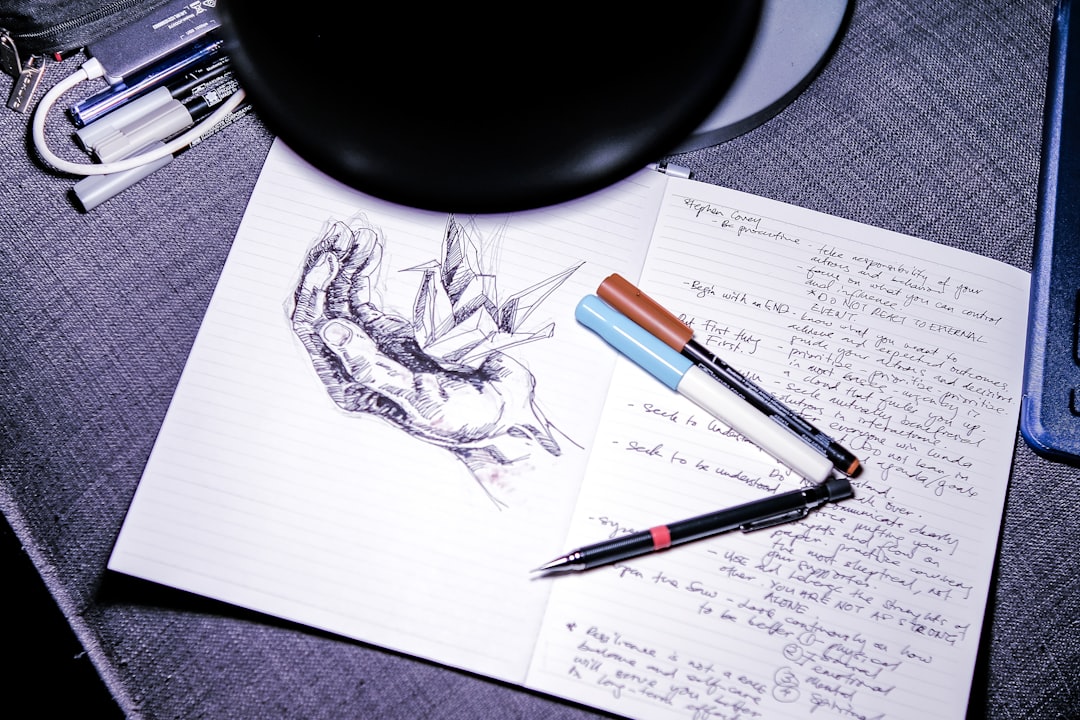
Start with what a habit really is (and why it sometimes fails)
Many people think a habit is a promise you make to yourself. In practice, a habit is a relationship between a cue you notice, a tiny action you take, and a satisfying feeling you experience afterward. When that three-part loop is clear, behavior becomes easier; when it is vague, the day swallows your best intentions.
Consider an example many people care about: daily writing. If you wait for inspiration, the cue is unpredictable. If you start with a high bar—say, 1,000 words—the first step feels heavy. If the good feeling comes only when the whole article is finished, the payoff is too distant. Now contrast that with a clearer loop: cue equals “sit down with coffee at 7:30,” first step equals “type a single sentence in the open document,” payoff equals “check one box on a tracker and read a paragraph you like.” Same activity, very different experience.
Three points set a stable foundation:
- Make the cue obvious. If you want to stretch, put a mat where you pass every morning. If you want to write, open your document before bed so it greets you in the morning.
- Make the first step tiny. Not five pages—five sentences. Not a 60-minute workout—one set of push-ups. Tiny actions create momentum; momentum invites bigger actions.
- Make the payoff immediate. Track a checkmark, savor a sip of coffee, or say out loud, “One tiny step done.” Small rewards anchor the loop.
When habits wobble, one piece of this loop is usually under-specified. Sometimes the cue is buried: the water bottle is in a closed cupboard. Sometimes the first step is too big: the plan requires a 45-minute block you rarely have. Sometimes the payoff is abstract: “I will feel proud later.” The fix is practical: move the cue into your line of sight, shrink the first step until you cannot help but start, and give yourself a quick, honest win.
Identity gives this loop staying power. A single action can be proof of who you are becoming: “I am the kind of person who keeps promises to my future self.” Every tiny action is a vote for that identity. You do not need a unanimous vote, just a consistent pattern in your favor.
If you want to sanity-check your habit design, run it through this quick test:
- Where is the cue? Point to it in your environment. If you cannot point, it is not obvious enough.
- How small is the first step? Describe it in one short sentence that takes under two minutes.
- What is the immediate payoff? Name the feeling or the visible mark you will create at the end.
When those three answers are visible and small, you have a habit that can survive busy seasons, travel days, and imperfect mornings.
Design a supportive environment: reduce friction, highlight cues
Environment design is the friendliest way to change behavior because it moves effort out of your head and into your surroundings. You can redesign a shelf faster than you can rewrite a mindset. The question is not “How do I force myself to do this?” but “How do I make the helpful action the easy action?”
Start with the path of least resistance:
- Place cues where your eyes land. Keep your water bottle on your desk, your running shoes by the door, your journal on your pillow. Make helpful choices visible at the right moment.
- Hide friction. Sign out of a distracting app, move snacks to a higher shelf, or place your phone charger outside the bedroom. Friction does not eliminate behavior, but it nudges choices toward what is easier.
- Prepare the path at the easiest time. Pack your gym bag the night before. Batch-cook grains on Sunday so weekday lunches need only a quick assembly. Preload your work document before a break, so there is no blank page to stare at later.
- Bundle obstacles in one place. If a distraction is unavoidable, give it a home—a five-minute slot at the top of the hour or a single page in your notebook—so it does not spill everywhere.
Think of environment design as a simple equation: helpful behavior equals low friction plus visible cue. Rearranging a drawer, adding a hook near the door, or leaving a sticky note in your laptop can be enough to turn a “someday” intention into a repeatable action.
A quick checklist to audit your setup:
- Are your top two priorities represented on your desk by a concrete object?
- Is your default browser session clean—no tabs that pull you sideways?
- Do your devices switch to silent or grayscale during focus blocks?
- Does your kitchen support your breakfast template with prepped basics?
- Is there a visible place to record a single win at the end of the day?
Try one five-minute improvement per week. Small environmental tweaks compound into a workspace and home that quietly supports the person you are becoming.
A 15-minute morning launch that actually happens
Complicated morning rituals collapse under real schedules. Instead, use a 15-minute launch that fits into busy lives and still primes the day. It is short enough to repeat and meaningful enough to matter.
Use this three-part sequence:
- 00:00–03:00 — Light, water, breath. Open the curtain or turn on a bright light, drink a glass of water, and take six slow breaths. That is your physiological “boot” sequence.
- 03:00–08:00 — Move something. Five minutes of gentle movement—mobility, a walk, or a few bodyweight sets. Keep it easy; the goal is to wake the system, not to set records.
- 08:00–15:00 — Plan the next two big moves. On a sticky note, write your top two priorities and one minimum action for each. For example: “Draft intro paragraph” and “Call supplier” with the first micro-step listed beneath each.
At the end, place the sticky note where you will see it when you sit down to work. If mornings are noisy at your place, run a “late launch” at the start of your first work block. The order still applies: light and water, a few mindful breaths, tiny movement, and a two-item list.
Common snags and simple fixes:
- No time. Keep a “minimum version” that takes three minutes: light and water, one minute of movement, and write a single minimum action.
- Household chaos. Prepare a launch kit the night before: a sticky note pad, a pen, and a bottle of water in one place.
- Forgetfulness. Put your phone on your launch kit overnight so you cannot pick it up without seeing the setup.
One well-executed launch is enough to change the slope of a day. You will still have emails, errands, and surprises, but your brain has a clear first move and a second one queued up.
Focus blocks that protect your best work
Great outcomes come from deep, uninterrupted spans of attention. You do not need many; you need a few well-defended blocks. Here is an approach that pairs structure with realism.
- Choose 1–2 golden hours. Reserve a consistent time window when you naturally have energy. Guard it like a meeting with your future self.
- Create a one-minute warm-up. Open the document, list three bullet points for the next step, silence notifications, and set a timer for 25–50 minutes.
- Make it visible. Put a small “Focus—back at 10:30” card on your desk or chat status. The cue nudges your brain and sets expectations for others.
- Use a decision filter for interruptions. If it takes under two minutes and is urgent, do it during the break. If not urgent, capture it on paper and return after the block.
After one block, take a five- to ten-minute break—stand up, sip water, look far into the distance, and do a posture reset. Then either run another block or switch to lighter tasks. The aim is not endless concentration; it is reliable focus cycles that you can repeat most days.
Fine-tuning tips:
- Match block length to task type. Creative drafting often benefits from longer blocks (40–50 minutes). Administrative batching may work best with shorter intervals (20–25 minutes).
- Use a physical timer. A small kitchen timer or a desk timer removes temptation to open your phone. If you use an app, keep your screen dimmed and flipped.
- End with a written next step. Before the timer rings, type one sentence describing exactly what you will do when you return. Future you will thank you.
Defend these blocks on your calendar. Name them with verbs: “Draft proposal” not “Work time.” When someone attempts to book over them, you have a more concrete reason to negotiate.
Energy management: small anchors for sleep, movement, and food
Consistent energy beats sporadic intensity. You do not need a perfect lifestyle spreadsheet—you need a handful of anchors that stabilize your day. Think low effort, high return, and clear cues. The suggestions below are everyday routines; if you have specific health considerations, seek advice from a qualified professional who understands your context.
- Sleep anchor: Set a “wind-down” alarm 45 minutes before bedtime. When it chimes, dim screens, prep tomorrow’s clothes, and read a few pages. You are signaling to your body that the day is closing.
- Movement anchor: Pick a default move that fits everywhere—ten squats, a five-minute walk, or one yoga flow. Attach it to an existing cue, like finishing a meeting or brewing coffee.
- Food anchor: Decide your first meal template once and reuse it: protein + fiber + water. Keep the ingredients easy and repeatable. A default removes dozens of small decisions.
- Hydration anchor: Keep a bottle within reach. Every time you return to your desk from a break, take a few sips before you sit.
Micro-upgrades for tough weeks:
- Bedtime drift. Move your target bedtime five minutes earlier each night for a week. Small adjustments are easier to keep.
- Low motivation for movement. Use “get dressed first” as your only rule. Once your shoes are on, the first minute often follows.
- Unpredictable meals. Keep a shelf stable fallback: oats, canned fish or beans, nuts, and frozen berries. Not perfect, just consistent.
Energy anchors do not aim for perfection. They build a floor you can rely on, so your focus blocks have fuel and your evenings have enough calm for reflection.
Reflection loop: the five-minute evening close
Daily reflection turns activity into learning. You do not need a long journal session—five honest minutes work well. The purpose is to notice what worked, what felt heavy, and what deserves another try tomorrow. A short close also reinforces your identity as someone who finishes the day with intention.
Use this fast template:
- Done list: Write three things you finished, no matter how small.
- Stuck point: Identify one friction point and a tiny way to lower it tomorrow.
- Next step: Choose one minimum action for your top priority and set its cue.
Place tomorrow’s cue—an open document, a note on your keyboard, or shoes by the door. You are closing the day and opening the next one in a single motion. Over time, this loop becomes a builder of trust with yourself.
To keep the practice fresh, rotate prompts:
- What felt easier today than last week? What changed?
- Where did friction spike? What small guardrail would help?
- What did I avoid? What is the first 30-second step toward it tomorrow?
- Which moment am I glad I was present for?
Keep the close light. If you miss a day, simply do the smallest version the next evening. The point is not perfect logs; the point is noticing and adjusting.
Build systems with habit stacking and keystone habits
Two concepts accelerate progress: habit stacking and keystone habits. Stacking means you attach a new action to a behavior you already do. Keystone habits are the few behaviors that, once in place, make many other actions easier.
Try these combinations:
- After I brew coffee, I will review my two priority bullets.
- After I finish a meeting, I will stand up and do ten squats.
- After I sit at my desk, I will set a 25-minute timer and write one paragraph.
- After I brush my teeth, I will put a book on my pillow for two pages of reading.
Keystone examples include early bedtime routines, weekly planning, and a daily focus block. These are levers: you move them, and other parts of life start to align. When you identify yours, protect them. They deserve calendar space, reminders, and simple backup versions.
To choose a keystone habit, score candidates on two axes: leverage (how many domains it influences) and repeatability (how likely you are to do it most days). A 20-minute evening tidy might score high on both: your mornings start clearer, meals are easier, and you reduce decision fatigue. A two-hour Sunday prep might be high leverage but low repeatability; try shrinking it to 30 minutes and expand only if energy allows.
Finally, stack with intention. Make sure the anchor habit already exists consistently. If it is shaky, stabilize the anchor first, then add the new action.
daily habits for success: your 12-week starter plan
If you like a clear path, this 12-week rollout gets you moving without overload. It is built in three phases: Foundation, Focus, and Expansion. Each week you add one small habit and stabilize what you already started. Keep notes, shrink steps when needed, and acknowledge steady movement.
Phase 1 — Foundation (Weeks 1–4)
- Week 1: Adopt the 15-minute morning launch. Track with a single checkbox per day.
- Week 2: Add one focus block on your easiest day. Protect it with a visible “Focus” card.
- Week 3: Install the five-minute evening close. Keep it to exactly three prompts.
- Week 4: Add one movement anchor connected to a daily cue.
Phase 2 — Focus (Weeks 5–8)
- Week 5: Expand to two focus blocks on two separate days. Keep timers honest.
- Week 6: Stack a tiny writing or thinking habit after your morning launch.
- Week 7: Introduce a weekly planning session (30 minutes) with three questions: What matters, what moves it, and what will I do first?
- Week 8: Strengthen one keystone habit (sleep or planning) with a cue and a visible checklist.
Phase 3 — Expansion (Weeks 9–12)
- Week 9: Add one social commitment—cowork session, running buddy, or a friend you text your top two goals to every morning.
- Week 10: Build an “energy loop” by pairing breaks with posture resets and quick walks.
- Week 11: Set up a simple automation (calendar template, app shortcut, or task template) that reduces clicks for a daily step.
- Week 12: Conduct a gentle review: Keep, shrink, or drop. Export lessons to a one-page personal playbook.
Measure progress with three simple words: easier, same, or heavier. If a habit feels heavier for three days in a row, shrink it or relocate the cue. The goal is steady presence, not perfection.
Two optional accelerators for this 12-week arc:
- Accountability signal. Share a photo of your sticky note or a one-sentence update with a peer group. Keep it light and nonjudgmental.
- Quarterly retreat. At the end of Week 12, take one hour to walk through your calendar and notes. Capture five lessons and two changes for the next quarter.
Tools and templates: simple trackers, calendars, and automations
Tools do not create habits, but they can remove friction. Choose the lightest tool that keeps you honest and reduces decisions. Consider these categories and pick one from each.
- Daily tracker: a paper calendar, a small notebook, or a simple spreadsheet with checkboxes. Keep it visible and quick to mark.
- Timer and focus aid: your phone’s clock in airplane mode, a kitchen timer, or a desktop timer app that blocks notifications during focus windows.
- Task manager: a single-page list, a lightweight app, or a Kanban board with “Today / In Progress / Done.” Every morning, move at most two items into “Today.”
- Templates: a weekly planning checklist, a meeting close checklist, and a three-prompt evening review page.
Automation ideas:
- Recurring calendar events for your two focus blocks and evening close.
- Shortcuts that open the exact documents you need for your first task.
- Email rules that route nonessential messages to a folder you check once per day.
Keep a “friction log” for a week: any time you stumble, write the obstacle in a few words and add one potential adjustment. On Friday, pick two adjustments to test next week. Iteration beats aspiration.
Quick comparisons to help you choose tools you will actually use:
- Paper vs. digital: Paper wins on visibility and tactile reward (drawing a checkmark). Digital wins on reminders and search. If in doubt, track on paper and plan digitally.
- One app vs. many: Fewer is easier to maintain. You can add complexity later if you have a clear reason.
- Automation vs. intention: Automations help when you already do the action sometimes. They will not create a habit from zero; they will make a small habit more reliable.
Troubleshooting: when life gets messy
Real life has travel, deadlines, visitors, colds, surprise projects, and low-energy weeks. Here is how to adapt without losing the thread.
- Use a minimum version. If your usual focus block is 50 minutes, your minimum version is 10 minutes. If your movement anchor is a walk, your minimum version is three minutes around the block.
- Swap the cue, keep the action. If your cue disappears (no desk today), choose the nearest reliable cue (after breakfast) and run the tiny action there.
- Protect keystones, not everything. When the day is tight, keep sleep and your single focus block. Let lower-leverage habits pause; return when the load lightens.
- Recover fast. The day after a missed habit, perform the smallest possible version as soon as you notice. You are rebuilding trust, not punishing yourself.
- Expect turbulence after wins. Big efforts—presentations, product launches, exams—often leave an energy dip. Plan a “soft landing” week with minimum versions and extra rest cues.
Scenario playbook:
- Travel day. Pack a tiny routine: breathing on takeoff, a five-minute walk at connection, and a one-sentence nightly close. Cues become airports, door handles, and pillows.
- Unexpected deadline. Collapse the system to two moves: a short daily focus block and the evening close. Delay noncritical tasks and resume the full system after the sprint.
- Low-energy week. Shrink every habit to its minimum version and add one extra walk each day. Often, a week of small wins resets momentum.
Give heavy days a name like “maintenance mode.” It sounds temporary and purposeful, which is exactly what it is.
Keep momentum: identity, community, and rewards
Habits grow faster with social support and visible progress. Consider adding one of these boosters during Weeks 9–12—or sooner if it energizes you.
- Identity statements: Write a one-sentence description of who you are becoming. Keep it near your workspace. Examples: “I keep promises to my future self.” “I am the kind of person who starts small and follows through.”
- Community touchpoint: Schedule a weekly coworking session with a friend or join a small online group where members share one win and one lesson from the week.
- Meaningful rewards: Pair your evening close with a short ritual you enjoy—tea, music, or a chat with someone you care about. Small pleasures reinforce consistency.
- Visible scoreboard: Put a simple wall calendar where you can see it. Mark days you show up for your keystone habit. Gaps are useful data, not a verdict.
Social accountability ideas that stay friendly and low-pressure:
- Share a weekly summary of what felt easier, what stayed the same, and what felt heavier.
- Invite a peer to a 30-minute “silent work” block on video or in person—start with a quick statement of the task and end with one sentence about how it went.
- Offer to be someone else’s check-in buddy for a month and exchange a single sentence each evening.
It is also helpful to revisit your “why.” Write a short note about what these habits support—focus at work, more energy for family, or a creative project that matters to you. Read it on rough mornings.
For more frameworks and practical guides, you can explore resources at Lifeinsy. Keep your toolset small and your attention on the handful of actions that reliably move your goals forward.
The maintenance mindset: evolve, do not overhaul
By now, you have a simple, modular system: a short morning launch, one or two focus blocks, an evening close, and a few energy anchors. You have practiced habit stacking, identified one or two keystone habits, and built a review loop that helps you tune the system without drama.
Maintenance is not a static state. It is an ongoing conversation with your calendar, your energy, and your goals. Every month or quarter, open your playbook and ask:
- What habit felt easiest—and why?
- Which cue was most reliable—and can I reuse its structure?
- Where did friction spike—and what small change would lower it?
- Which habit delivered the most leverage—and how can I protect it better?
When you stack these reflections over a year, you build a body of evidence that you are the kind of person who shows up, learns, and adjusts. That identity is the real engine behind daily habits for success. Let it guide your decisions quietly. Let the small steps accumulate in the background. Let compounding do its work while you focus on the next tiny action in front of you.
Close this page with one question: If you could make one helpful action easier for tomorrow morning, what would you do right now? Do that, and the rest tends to follow.