minimalist home office setup sounds like an interior style choice, but in practice it is a decision about attention, energy, and the amount of friction you meet every time you sit down to work. The room does not need to look empty to be useful. It needs to feel clear enough that your brain can start, stay with the task, and stop without dragging the day along with it.
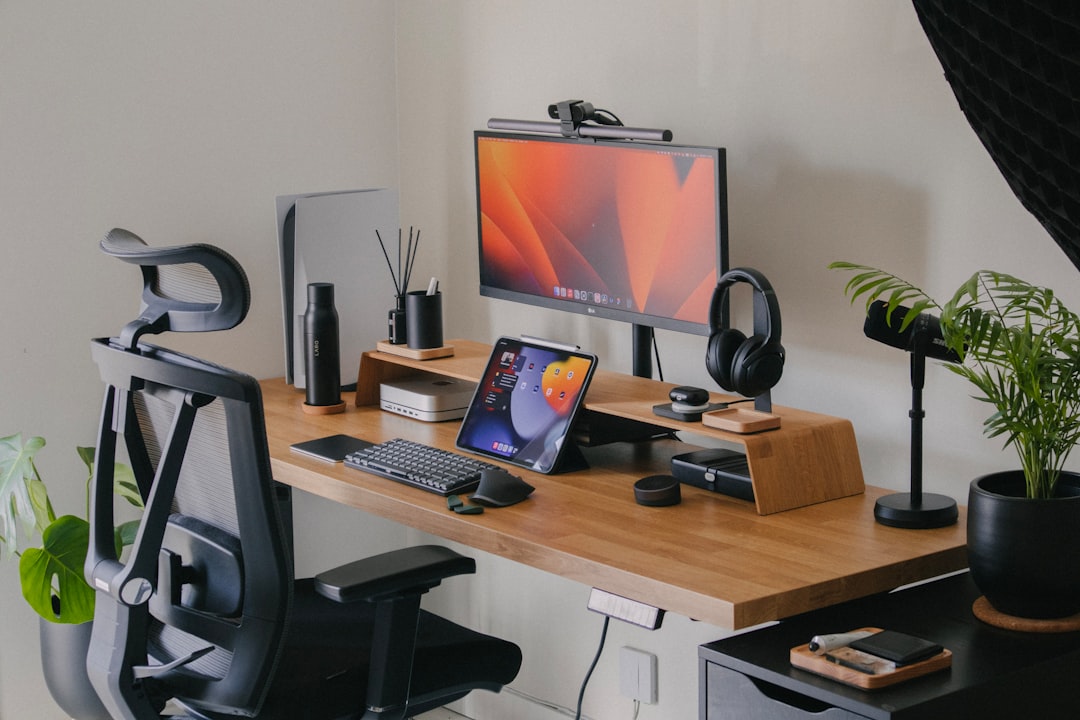
What a minimalist home office setup really changes
When people picture a minimalist workspace, they often imagine a white room, one chair, and a laptop floating in a blank space. That image is too narrow. A better version starts with a simple question. What slows you down before you even begin? For some people, it is too many objects on the desk. For others, it is a chair that leaves them shifting around every ten minutes. For others, it is the small but steady mess of paper, chargers, coffee cups, notebooks, and random tools that collect around the work zone until the room feels busy even when nothing is happening.
A well-planned room removes that drag. You do not waste attention deciding where to put things. You do not spend ten seconds scanning the desk for a pen that should have a home. You do not keep moving piles from one side of the desk to the other because there is nowhere else for them to go. That is the real value of a minimalist home office setup. It lowers the number of tiny decisions between you and the task.
There is also a mood change. A calmer room tends to invite a calmer pace. That does not mean the room has to feel soft or decorative. It means the space gives your eyes a place to rest. A desk with clear edges, a lamp that is easy to switch on, a shelf that holds only a few well-chosen things, and a floor that is not full of visual noise can make the whole workday feel less jagged. I notice this most on days when I am already mentally full. If the room adds more pressure, I feel it. If the room stays quiet, I get a little more room to think.
The goal is not to strip the room until it feels cold. The goal is to make every object earn its place. If something does not support the work, the comfort of the body, or the basic flow of the room, it probably belongs somewhere else. That simple filter can guide almost every choice that follows.
Start with the work, not the furniture
The most useful way to plan a workspace is to begin with the way you spend your time. A designer, a writer, a remote worker, a student, and someone who keeps a side project alive after dinner all need different things from the same room. A minimalist home office setup should match the shape of the work, not some generic idea of productivity that came from a photo.
Before buying anything new, I like to map out three things. First, what I use every day. Second, what I use once in a while. Third, what I only keep because I think I might need it later. That last group deserves the most scrutiny. A room can become crowded not because it holds too much daily gear, but because it is quietly storing a dozen possible futures that never arrive.
Ask yourself a few practical questions. Do you write by hand before typing? Do you need two screens or just one? Do you spend long hours on video calls? Do you switch between deep focus and quick admin work? Do you keep sketchbooks, reference books, or paper files close by? Your answers change the layout. A room for constant calls needs a cleaner background and better lighting. A room for drafting and reading may need a larger desk surface and more accessible storage. A room for mixed use may need one strong anchor, such as a desk that stays dedicated to work even when the rest of the room shifts.
This is also where many people overspend. They buy a beautiful desk before they know whether they need a larger writing surface, a corner layout, a standing option, or more drawer space. A better move is to observe one regular week. Notice what spreads across the desk by midday. Notice what you reach for without thinking. Notice what gets pushed aside. That small record tells you more than a shopping list.
If you want more room-by-room ideas, the LifeInsy blog is a good place to keep exploring practical setups and home habits that make daily life feel lighter. The point is not to chase a perfect office. It is to build a room that fits the work you actually do now.
Choose a desk and chair that fit the room
Desk and chair decisions matter more than decor because they shape how the room feels every hour. A desk that is too deep can swallow a small room. A desk that is too shallow can leave you stacking everything in front of you. A chair that looks elegant but does not support a normal work session will make the room feel like a place you visit, not a place you can rely on.
For a minimalist home office setup, I prefer furniture that does one job well. That usually means a desk with a clean profile, enough width for the tools you use most, and no decorative bulk that steals floor space. If the room is small, wall placement matters. A desk against a quiet wall often feels simpler than a desk floating in the middle of the room, because the edges are clearer and the visual lines are easier to follow. In a larger room, a floating desk can work if it helps define the work zone without breaking the room into awkward pieces.
The chair should match how long you sit, not how impressive it looks in a product photo. If you spend most of the day there, seat depth, back support, and armrest position matter. If you use the desk in shorter blocks, a lighter chair may be enough. Some people like a task chair with fine adjustment. Others do better with a simple chair and a footrest so the body can settle more naturally. What matters is that the chair disappears into the routine instead of asking for attention every few minutes.
One useful test is the elbow test. When you sit at the desk, your elbows should meet the work surface without your shoulders rising. If they do not, the setup is off. Another test is the reach test. The few things you use most often should sit within easy reach. If you have to twist, stand, or lean every time you grab the same item, the desk is doing too much or not enough.
Here is a simple comparison that helps when deciding on layout.
| Layout | Best for | Watch for |
|---|---|---|
| Wall desk | Small rooms, focused work, clean lines | Can feel boxed in if the wall is busy |
| Corner desk | Multiple devices, wider surface needs | Can collect clutter in the back corner |
| Floating desk | Larger rooms, zoned spaces | Needs stronger visual discipline |
| Compact desk | Shared rooms, light use, tight spaces | May not suit long work sessions |
Do not let the furniture make the decision for you. Let the room, the work, and the length of your sessions decide first.
Build storage that stays out of sight
Storage is where most tidy rooms quietly fail. The room may look beautiful for one afternoon, then the extra notebooks, cables, receipts, and packaging find a permanent home on the desk because the storage system is awkward, too far away, or unclear. A minimalist home office setup works best when storage is easy enough that you actually use it.
I try to think in layers. The first layer is what should stay on the desktop every day. Usually this is not much. A laptop or monitor. A lamp. One notebook. One writing tool. Maybe a tray for the few items that move with the day. The second layer is what belongs close by but not in full view. That could be a drawer with chargers, headphones, and spare stationery. The third layer is what belongs elsewhere in the room or even outside it, such as archived files, seasonal items, old documents, or equipment used only once in a while.
The mistake is treating every item as if it needs equal access. It does not. Equal access creates visual crowding. Better access design creates hierarchy. The things that support the current task stay close. The rest move back a level. That small shift keeps the desk from becoming a parking lot.
Clear containers can help, but only when they are not overused. If you can see everything, you may still feel busy. That is why closed storage often works better for a calm office. A drawer, cabinet, or lidded box hides the odd shapes that make a room feel noisy. Open shelving can still work, but it should carry only a few pieces that you genuinely want to see every day. Too much open storage turns into display clutter.
A useful rule is one in, one out. If you bring in a new tool, paper stack, or accessory, another item should leave the desktop. That is not about austerity. It is about keeping the surface honest. The desk should show the work, not the leftovers of every other workday.
Labeling can help if you share the room or store many categories. Keep the labels plain and functional. Fancy labels often look better than they work. The best storage is the kind that answers a question before you ask it. Where does this go? What do I reach for here? What can be hidden without making the room harder to use? When storage answers those questions quickly, the room stays lighter for longer.
Shape light and sound around your attention
Light changes how a room feels before anything else does. A desk placed under harsh overhead light can make the whole office feel tense. A desk placed next to a window can feel open, but only if glare does not wash across the screen. A minimalist home office setup should make light work for the task instead of forcing the eyes to adapt all day.
Natural light is usually the first thing to consider. Side light often works better than direct front light because it brightens the room without making the screen hard to read. If your window brings in strong afternoon sun, a simple blind or curtain can soften the room without making it dark. When the room depends on a lamp, the goal is not brightness for its own sake. It is steady light that gives the desk a clear pool of visibility. I prefer a lamp that I can turn on without thinking and that does not cast strange shadows across my hands or keyboard.
Sound matters just as much, even though people often leave it until the room already feels tiring. A small office in a busy house can become draining if every sound lands at full volume. You may not be able to silence the house, but you can shape the room. A rug softens footfall. Curtains absorb some echo. Books, fabric, and upholstered pieces can reduce the sharpness of sound. If you work with headphones, keep them near the desk, not buried in a drawer that adds one more small barrier before you begin.
Temperature also shapes comfort. A room that runs too warm makes it harder to stay alert. A room that feels cold can make you tense your shoulders. A fan, a small heater, or a vent adjustment may matter more than another decorative object ever will. Minimal does not mean bare. It means intentional. Comfort tools are part of the plan when they support the session.
Try this simple check. Sit at your desk at the time of day you usually work. Look at the screen, the wall behind it, and the objects around it. Ask whether anything flashes, reflects, hums, or distracts more than it should. If it does, adjust the room before blaming your focus. Attention is not only a personal skill. It is also a room design issue.
The best rooms do not shout. They make it easier to stay with the task without feeling boxed in.
Use color and texture to keep the room calm
A calm room is not always a neutral room, and a neutral room is not always a calm one. The colors, finishes, and textures in a workspace affect how busy the room feels at a glance. A minimalist home office setup tends to work best when the palette is limited and the materials feel consistent. That does not mean everything must match. It means the room should feel edited.
I like to begin with one base tone, one supporting tone, and one accent that appears in small amounts. The base tone may be white, cream, soft gray, or a light wood finish. The supporting tone might be charcoal, muted green, or a deeper natural shade. The accent can come through a notebook cover, a lamp, a chair cushion, or a single framed print. The accent matters because it keeps the room from feeling flat, but it should not dominate the desk.
Texture helps a room feel human without filling it with objects. A woven basket, a matte desk surface, a linen curtain, a wooden tray, or a textured notebook cover can add warmth in a quiet way. When all the surfaces are glossy and hard, the room can feel sterile. When all the surfaces are busy, the eye gets tired. A mix of simple textures tends to hold the middle ground. The room feels lived in, but not overcrowded.
There is also a practical side to material choice. Some finishes show dust and fingerprints quickly. Others wear in a way that looks softer over time. If you want the room to stay easy to manage, choose materials that you do not have to fuss over constantly. That usually means fewer shiny surfaces, fewer high-maintenance accents, and fewer items with strong visual patterns that compete for attention.
Think about the background of the room as much as the objects in it. A wall color that feels gentle can make the entire office easier to inhabit. A busy gallery wall can be lovely in the right room, but if your mind likes quiet, it may add more stimulation than you want. In that case, one framed piece or one shelf with a few objects can do the same emotional job with less visual effort.
Minimalism is often mistaken for emptiness. A better reading is restraint. Use enough color and texture to keep the room alive, but not so much that the eye keeps wandering away from the task.
Keep cords, chargers, and devices under control
Cables can turn a thoughtful desk into a mess in one afternoon. Even when the rest of the room is tidy, a tangle of cords can make the whole workspace feel unfinished. A minimalist home office setup pays close attention to the things that are easy to ignore until they become annoying.
Start by asking which devices need to stay on the desk every day and which can live elsewhere. A laptop, a monitor, a keyboard, and a mouse may be your daily essentials. A tablet, external drive, camera, or second charger may not need full-time desk access. Once you know the daily group, route the cables with the smallest amount of visible spill possible. Clips, sleeves, adhesive mounts, and a cable tray under the desk can all help, but only if they match the furniture and are easy to reach later.
I have learned that the smartest cable plan is usually the simplest one. If every device needs a different charging block, the mess returns quickly. If possible, reduce the number of chargers by using fewer standards and a single place for power. When that is not possible, group similar items together and keep the extras hidden in a drawer or box. The less often you move a cord, the calmer the desk stays.
Devices deserve the same kind of filtering. Do you really need the printer on the desk, or can it live on a shelf nearby? Does the speaker need to sit in front of you, or can it move to the side? Do spare headphones need to be visible? Each item on the desk should have a reason to stay there. If it only stays because it was convenient once, it is probably crowding the space now.
Digital clutter matters too. A clean physical desk can still feel noisy if your desktop, browser tabs, and file system are chaotic. Keep a short list of the folders, shortcuts, and tools you use every day. Remove or hide the rest. When your files and devices are ordered in the same spirit as the room, the setup feels coherent instead of split in two.
The cleanest desk is not the one with the fewest tools. It is the one where tools have a home, charging is simple, and the work surface stays open long enough to be useful.
Make a small space feel honest, not cramped
Small rooms are often where people give up on a minimalist home office setup, but small rooms can also make the idea work best. When space is limited, every decision becomes visible. That can be uncomfortable, but it can also be clarifying. You see quickly whether the desk is too large, whether the chair is too bulky, or whether the room is trying to do too many jobs at once.
In a compact space, the first rule is to respect circulation. Do not place furniture in a way that makes you sidestep, squeeze, or shuffle around it every time you enter the room. A setup that interrupts movement feels heavy even if it looks neat in photos. Leave enough room to pull out the chair, open a drawer, and stand up without needing a careful dance. The room should feel easy to cross.
Vertical storage can be useful, but only in a controlled way. A narrow shelf above the desk may hold books, a box, or a plant, yet too many items on the wall can create the same visual weight as floor clutter. The difference is that wall clutter feels harder to escape because it sits at eye level. Keep the wall simple if the room already feels small. One shelf with purpose usually works better than three shelves with uncertainty.
Mirrors, light tones, and lighter fabrics can help a compact office feel open, but they are not magic tricks. The room still needs order. If the desk is overloaded, no color choice will make it feel calm. If the storage is awkward, no wall finish will make the room easier to use. Small spaces reward discipline. They make the functional choices visible.
Shared rooms add another layer. If your office lives in a bedroom, living room, or dining area, the goal is not to build a fortress around work. It is to create a clear boundary that tells your brain when work starts and when it ends. A tray, a folding screen, a lamp that turns on only during work, or a basket for work items can help define that boundary without taking over the whole room.
When a room is small, honesty is more valuable than illusion. Let the space show what it can actually hold, then keep only the pieces that make the work better.
Build a weekly reset that takes less than 15 minutes
Even the best workspace drifts. Papers gather, cups migrate, pens disappear, and a good system slowly loses shape. That is normal. The trick is not to wait until the room feels bad. It is to build a small reset that keeps the room close to its best state. A minimalist home office setup works because it is easy to restore, not because it stays perfect on its own.
My weekly reset usually starts with the desktop. I put away anything that does not belong to the current week. I clear paper into the right stack or file. I return tools to their homes. I wipe the surface. Then I look at what remains and ask whether the desk still holds only what I actually need. That simple pass often takes less time than people expect, because the room was designed with a return path in mind.
A monthly reset goes a little deeper. This is when I check the drawer, the shelf, the cable setup, and the items I forgot I owned. One or two things usually deserve to leave. Maybe a notebook is empty. Maybe a cable is no longer needed. Maybe a decorative piece no longer fits the room. Small edits add up. The room feels fresher because the system is being maintained, not because it was redesigned from scratch.
It helps to keep a short reset list in the room. Here is a version that works well for many setups.
- Clear the desktop
- Return chargers and tools to their homes
- File loose papers
- Wipe the desk and lamp base
- Check the cable line under the desk
- Remove one item that no longer earns space
These steps are small on purpose. If the reset takes too long, the habit slips. If it is short and predictable, it becomes part of the week, like starting laundry or watering plants. The room stays easier to use because maintenance is part of the design.
If you want more ideas for keeping a room simple without losing warmth, return to the LifeInsy blog for more practical home habits. The best system is the one you can repeat without resenting it.
Common mistakes that make simple rooms feel harder
People often blame the room when the real problem is the setup. One common mistake is buying storage before understanding the clutter pattern. Another is choosing a desk for style instead of for the work surface needed day to day. A third is filling the room with small decorative objects that require more visual energy than they give back.
Another mistake is trying to make the office do too many jobs at once. A desk that also serves as a catchall for mail, hobby gear, and random household items will never feel as calm as a desk reserved for work. If the room has to serve several purposes, give each purpose a distinct home. Work items can live in one zone. Household overflow can live in another. That separation reduces confusion.
There is also a temptation to overdecorate because the room feels too plain. Sometimes the issue is not plainness. It is imbalance. Add one strong element, not five small ones. A single print, a plant, a better chair, or a warmer lamp can make the room feel complete without turning it into a display shelf.
People also underestimate maintenance. A setup that only works when it is freshly arranged will not last. If a room needs constant rescue, it is not very simple. Simplicity should show up in daily use, not just in the first photograph. That means the desk should be easy to clear, the drawers easy to understand, and the objects easy to return.
Here is a final checklist I use when I am reviewing a workspace.
- Can I sit down without moving three things first?
- Do I know where the daily tools live?
- Can the room handle a messy day without collapsing?
- Does the desk feel open enough to start work quickly?
- Would I be happy seeing this room on a tired morning?
If the answer to most of those questions is yes, the room is doing its job. If not, the fix is usually not more stuff. It is better placement, fewer items, and a clearer system.
A good workspace does not ask to be admired every hour. It helps you begin, supports you while you work, and lets you leave without carrying the room in your head.
Keep the design simple, then let the room breathe
The strongest version of a minimalist office is not the most severe one. It is the one that feels easy to enter, easy to use, and easy to return to after the day has gone in a few different directions. That is why the best choices are usually quiet ones. A desk that fits. A chair that supports the body. Storage that hides the mess without hiding the essentials. Light that helps rather than fights. A few materials that feel calm together.
When those pieces work, the room stops feeling like a project and starts feeling like a place. That is the real goal. Not perfection. Not a showroom. Just a space that lets you sit down and get on with the work without fighting the room first.